If you love the rich chocolate flavor of traditional Texas sheet cake, these Texas Sheet Cake Cookies are about to become one of your favorite homemade desserts. They combine everything people love about the classic Southern chocolate cake in a convenient cookie form: soft chocolate centers, a tender texture, and warm, fudgy chocolate frosting that melts beautifully over each cookie.
Traditional Texas sheet cake is famous for its thin, moist chocolate cake and smooth chocolate frosting, often poured over the cake while it is still warm. These easy Texas sheet cake cookies recreate that beloved flavor in individual portions, making them perfect for sharing at parties, packing into lunchboxes, bringing to potlucks, or serving after dinner.
The best part is that you do not need to bake an entire cake to enjoy that familiar chocolate-and-frosting combination. Instead, you can prepare a batch of soft chocolate cookies, bake them until just set, and finish them with a rich homemade chocolate frosting. The result is a dessert that tastes like a miniature Texas chocolate sheet cake in every bite.
These homemade chocolate cake cookies are especially appealing because they use simple baking ingredients you may already have in your pantry. Cocoa powder gives the cookies their deep chocolate flavor, butter adds richness, and a combination of sugar and eggs creates a soft, tender texture. The frosting brings everything together with its smooth consistency and glossy chocolate finish.
Whether you are searching for an easy chocolate cookie recipe, a new addition to your Christmas cookie tray, or a dessert that chocolate lovers will request again and again, Texas Sheet Cake Cookies are an excellent choice. They look beautiful with their shiny frosting, require no complicated decorating skills, and are easy to customize with chopped pecans, walnuts, or a sprinkle of sea salt.
Another advantage of this recipe is that it is ideal for preparing ahead of time. You can bake the cookies, allow them to cool slightly, and prepare the frosting while they rest. Pouring the frosting over the cookies while it is still warm creates the signature finish associated with Texas sheet cake.
If you love soft chocolate cookies with a rich, fudgy topping, this recipe deserves a place in your baking collection. With a few simple techniques and carefully measured ingredients, you can make delicious Texas Sheet Cake Cookies that deliver classic Southern comfort in every bite.
Ingredients
This recipe makes approximately 24 cookies, depending on the size of each portion. For the best results, measure the ingredients accurately and use good-quality unsweetened cocoa powder.
For the chocolate cookies
- 1 cup (226 g) unsalted butter, softened: Adds richness and creates a tender cookie texture.
- 1 cup (200 g) granulated sugar: Sweetens the cookies and helps create a soft crumb.
- 2 large eggs: Bind the ingredients together and contribute to the cookies’ structure.
- 2 teaspoons vanilla extract: Enhances the chocolate flavor and adds warmth.
- 2 cups (250 g) all-purpose flour: Provides structure for the cookies.
- 1/2 cup (45–50 g) unsweetened cocoa powder: Gives the cookies their signature chocolate flavor.
- 1 teaspoon baking powder: Helps the cookies rise slightly.
- 1/2 teaspoon baking soda: Supports the texture and contributes to the cookies’ spread.
- 1/2 teaspoon salt: Balances the sweetness and intensifies the chocolate flavor.
- 1/4 cup (60 ml) milk or buttermilk: Adds moisture and helps create a tender dough.
For the fudgy chocolate frosting
- 1/2 cup (113 g) unsalted butter: Forms the rich base of the frosting.
- 1/4 cup (25 g) unsweetened cocoa powder: Adds deep chocolate flavor.
- 3 tablespoons milk: Helps the frosting become smooth and pourable.
- 2 cups (240 g) powdered sugar: Sweetens and thickens the frosting.
- 1 teaspoon vanilla extract: Enhances the overall flavor.
- 1 pinch of salt: Balances the sweetness.
Optional toppings
- 1/2 cup chopped pecans
- 1/2 cup chopped walnuts
- Mini chocolate chips
- Chocolate shavings
- A small pinch of flaky sea salt
Pecans are a traditional Southern-style addition and complement the chocolate frosting beautifully. If you prefer smooth frosting, simply leave out the nuts.
Preparation: How to Make Texas Sheet Cake Cookies
Step 1: Preheat the oven and prepare the baking sheets
Preheat your oven to 350°F (175°C). Line two baking sheets with parchment paper or silicone baking mats.
Preparing the baking sheets before mixing the dough makes the process easier and prevents the cookies from sitting too long after they have been shaped.
Measure all the ingredients and allow the butter and eggs to reach room temperature. Softened butter combines more easily with sugar, while room-temperature eggs help create a smoother dough.
If you are using chopped pecans or walnuts, prepare them now so they are ready when you make the frosting.
Step 2: Cream the butter and sugar
Place the softened butter and granulated sugar in a large mixing bowl. Using a hand mixer or stand mixer, beat the mixture for approximately 2–3 minutes until it looks creamy and well combined.
Scrape down the sides of the bowl as needed to ensure everything mixes evenly.
Creaming butter and sugar incorporates air into the mixture, helping the cookies develop a lighter texture. Avoid using melted butter, because it can cause the cookies to spread too much during baking.
Add the eggs one at a time, mixing well after each addition. Stir in the vanilla extract until the mixture is smooth.
The mixture may look slightly curdled if the ingredients are at different temperatures, but it should come together as you incorporate the dry ingredients.
Step 3: Combine the dry ingredients
In a separate bowl, whisk together the all-purpose flour, cocoa powder, baking powder, baking soda, and salt.
Whisk thoroughly to distribute the leavening agents and eliminate lumps in the cocoa powder.
If your cocoa powder is particularly lumpy, sift it before mixing. This helps prevent dry pockets of cocoa from appearing in the finished cookies.
Adding the dry ingredients separately also makes it easier to control the consistency of the dough and prevents overmixing.
Step 4: Make the chocolate cookie dough
Gradually add the dry ingredients to the creamed butter mixture, alternating with the milk or buttermilk. Begin and end with the dry ingredients, mixing on low speed.
Mix just until a soft chocolate dough forms. Scrape down the sides of the bowl to incorporate any remaining flour.
The dough should be soft enough to scoop but firm enough to hold its shape on the baking sheet. If it seems unusually loose, check your measurements before adding more flour.
Avoid overmixing. Once the flour is incorporated, stop mixing to prevent the cookies from becoming tough.
If the dough feels too soft to handle, cover the bowl and refrigerate it for 20–30 minutes. Chilling is especially helpful in a warm kitchen.
Step 5: Shape the cookies
Scoop the dough into portions of approximately 1 1/2 tablespoons each. Roll the portions gently into balls or drop them onto the prepared baking sheets using a cookie scoop.
Leave approximately 2 inches between the cookies to allow for spreading.
For a more uniform appearance, use the same amount of dough for every cookie. Even portions also help the cookies bake at a similar rate.
If you prefer flatter cookies, gently press the dough balls down slightly with your fingertips. For thicker, softer cookies, leave them rounded.
Do not place the dough on a hot baking sheet, as this can cause excessive spreading before the cookies have a chance to set.
Step 6: Bake the chocolate cookies
Bake the cookies in the preheated oven for approximately 8–11 minutes. Baking time depends on the size of the cookies and the characteristics of your oven.
The edges should look set, while the centers may remain slightly soft. Do not wait for the cookies to become completely firm in the oven because they will continue to set as they cool.
Remove the baking sheets from the oven and let the cookies rest for approximately 5 minutes. Transfer them carefully to a wire rack if needed.
For the most tender texture, avoid overbaking. Chocolate cookies can become dry quickly if left in the oven too long.
Allow the cookies to cool slightly before adding the frosting. They can still be a little warm, which helps the frosting spread smoothly over the surface.
Step 7: Prepare the fudgy chocolate frosting
While the cookies cool, place the butter in a small saucepan over low heat. Allow it to melt gently.
Whisk in the cocoa powder until smooth. Add the milk and stir until the mixture is well combined.
Remove the saucepan from the heat and gradually add the powdered sugar, whisking continuously to prevent lumps.
Stir in the vanilla extract and a pinch of salt. The frosting should be smooth, glossy, and thick enough to coat the cookies while still being pourable.
If the frosting is too thick, add a small amount of milk, about one teaspoon at a time. If it is too thin, whisk in a little more powdered sugar.
Prepare the frosting shortly before using it. As it cools, it will thicken, making it more difficult to spread.
Step 8: Frost the cookies while the frosting is warm
Spoon or drizzle the warm chocolate frosting over each cookie. You can spread it gently with the back of a spoon or allow it to flow naturally over the top.
The warm frosting creates the classic Texas sheet cake finish: a rich chocolate layer that settles over the cookie and develops a delicate surface as it cools.
If you are adding chopped pecans or walnuts, sprinkle them over the frosting immediately, before it begins to set.
For a simple presentation, leave the frosting smooth. For a more decorative look, add a few extra nuts or a small amount of chocolate shavings.
Step 9: Let the frosting set
Place the frosted cookies on a wire rack and allow them to rest until the chocolate topping firms up.
Depending on the temperature of your kitchen and the thickness of the frosting, this may take approximately 30–60 minutes.
Avoid stacking the cookies before the frosting has set, as the tops may stick together and become messy.
Once the frosting is firm enough to handle, arrange the cookies on a serving plate or place them in an airtight container.
Step 10: Serve and enjoy
Serve your Texas Sheet Cake Cookies at room temperature for the best balance of soft chocolate cookie and rich frosting.
Pair them with cold milk, coffee, or hot chocolate. They are also delicious served alongside vanilla ice cream for an extra-special dessert.
These cookies are perfect for sharing at family gatherings, school events, bake sales, holiday parties, and weekend celebrations.
Variations
1. Texas Sheet Cake Cookies with Pecans
For a traditional Southern-inspired flavor, add chopped pecans to the warm chocolate frosting.
Use approximately 1/2 cup of chopped pecans and sprinkle them over the cookies before the frosting sets. Toasting the pecans lightly before adding them can enhance their nutty aroma.
2. Chocolate Walnut Sheet Cake Cookies
Replace the pecans with chopped walnuts. Walnuts provide a slightly earthy flavor that pairs well with the sweet chocolate frosting.
You can mix some walnuts into the frosting and reserve a few pieces for decorating the tops.
3. Double Chocolate Texas Cookies
Add 1/2 cup of mini semisweet chocolate chips to the cookie dough before baking.
The chocolate chips create extra pockets of chocolate and make the cookies especially appealing to chocolate lovers.
4. Salted Chocolate Frosted Cookies
Add a small pinch of flaky sea salt to each cookie immediately after frosting.
The salty finish balances the sweetness and gives the cookies a more sophisticated flavor.
5. Espresso Chocolate Cookies
Add 1 teaspoon of instant espresso powder to the cocoa powder before mixing the dough.
Coffee enhances the natural depth of chocolate without necessarily making the cookies taste strongly of coffee.
6. Chocolate Peanut Butter Cookies
Add a small amount of peanut butter to the frosting or drizzle melted peanut butter over the cooled cookies.
Chocolate and peanut butter create a familiar combination that works beautifully in this recipe. If serving a group, clearly identify the peanut-containing cookies.
7. Holiday Texas Sheet Cake Cookies
Decorate the frosted cookies with festive sprinkles, chopped nuts, or colored chocolate drizzle.
For Christmas, you can use red and green sprinkles. For Valentine’s Day, choose pink and red decorations. For birthdays, colorful sprinkles create a fun, celebratory appearance.
8. Mini Texas Sheet Cake Cookies
Use a smaller scoop to create bite-sized cookies. Reduce the baking time and check them early.
Mini cookies are perfect for dessert platters, parties, and cookie exchanges because guests can enjoy a small portion without committing to a large cookie.
9. Dark Chocolate Frosted Cookies
Use a darker cocoa powder in the frosting or add a small amount of melted semisweet chocolate.
This creates a deeper chocolate flavor and a more intense finish. Because dark cocoa can taste stronger and less sweet, balance the frosting according to your preference.
10. Gluten-Free Texas Sheet Cake Cookies
Use a reliable gluten-free all-purpose flour blend formulated for baking. Choose a blend that includes a suitable binder if required by the manufacturer.
The texture may vary from the original recipe, so follow the flour blend’s guidance and check the cookies for doneness carefully.
Cooking Note
For the best Texas Sheet Cake Cookies, pay attention to the texture of the dough, the baking time, and the consistency of the frosting.
Use softened butter, not melted butter. Softened butter creams more effectively with sugar and helps the cookies hold their shape.
Measure the flour accurately. Too much flour can produce dry, dense cookies. Spoon the flour into the measuring cup and level it rather than packing it down.
Do not overbake. The cookies should remain tender in the center. Remove them when the edges are set and the centers are still slightly soft.
Prepare the frosting at the right time. Warm frosting spreads easily, while cooled frosting becomes thicker and harder to pour. Make it shortly before you are ready to frost the cookies.
Frost while the cookies are slightly warm. This helps the topping settle smoothly, but avoid frosting extremely hot cookies because the frosting may become too thin and run off.
Allow the frosting to set before storing. This prevents the cookies from sticking together and keeps their appearance neat.
Check ingredient labels if serving guests with allergies. This recipe contains wheat, milk, and eggs, and optional nuts may introduce additional allergens.
Serving Suggestions
Texas Sheet Cake Cookies are versatile enough for casual snacks and special occasions.
- With cold milk: The classic choice for rich chocolate cookies.
- With coffee: The bitterness of coffee balances the sweet frosting.
- With vanilla ice cream: Serve a cookie alongside a scoop for a simple plated dessert.
- On a holiday cookie tray: Pair them with sugar cookies, peanut butter cookies, and brownies.
- At potlucks: Arrange the cookies on a large platter for easy sharing.
- As homemade gifts: Package the fully cooled cookies in a decorative box lined with parchment paper.
- With hot chocolate: A cozy combination for cold evenings.
- At birthday parties: Add colorful sprinkles or extra chocolate drizzle for a festive look.
For the best presentation, arrange the cookies in a single layer until the frosting is fully set. If you need to stack them for storage, place parchment paper between the layers.
Tips for Perfect Texas Sheet Cake Cookies
- Use high-quality unsweetened cocoa powder for a rich chocolate flavor.
- Make sure the butter is softened enough to cream but not melted.
- Bring the eggs to room temperature for easier mixing.
- Whisk the dry ingredients thoroughly before adding them to the wet mixture.
- Mix the dough only until the ingredients are combined.
- Chill the dough briefly if it feels too sticky to scoop.
- Use a cookie scoop to create evenly sized portions.
- Leave enough space between cookies to allow for spreading.
- Bake one test cookie if you are unsure how your oven behaves.
- Remove the cookies when the edges are set and the centers remain slightly soft.
- Let the cookies rest on the baking sheet before moving them.
- Make the frosting while the cookies cool slightly.
- Add the frosting while it is warm and pourable.
- Sprinkle nuts over the frosting immediately if using them.
- Let the frosting set completely before stacking or packaging the cookies.
- Avoid adding too much milk to the frosting at once.
- Store the cookies in an airtight container to help maintain their texture.
- For the best flavor, allow refrigerated cookies to return toward room temperature before serving.
Prep Time, Cooking Time, and Total Time
- Prep Time: 20 minutes
- Cooking Time: 8–11 minutes per batch
- Frosting Preparation: 5–10 minutes
- Cooling and Setting Time: 30–60 minutes
- Total Time: Approximately 1 hour to 1 hour and 30 minutes, depending on the number of batches and how quickly the frosting sets.
These times are estimates and may vary with cookie size, oven performance, and kitchen temperature.
Nutritional Information
The following nutritional values are approximate estimates for one cookie, assuming the recipe makes 24 cookies and includes the chocolate frosting but excludes optional nuts and decorations.
- Calories: Approximately 180–230
- Protein: Approximately 2–4 g
- Sodium: Approximately 100–200 mg
Calories
The calories mainly come from butter, sugar, flour, and chocolate frosting. Larger cookies or a thicker frosting layer will increase the calorie count.
Protein
Eggs, flour, and milk contribute small amounts of protein. These cookies are primarily a dessert rather than a significant protein source.
Sodium
Sodium comes from the salt, baking powder, baking soda, butter, and milk. The exact amount depends on the ingredients and brands used.
These figures are estimates rather than laboratory-tested nutrition facts. For more precise information, calculate the values using the exact quantities and brands in your kitchen.
FAQs About Texas Sheet Cake Cookies
1. What are Texas Sheet Cake Cookies?
Texas Sheet Cake Cookies are chocolate cookies inspired by traditional Texas sheet cake. They feature a soft chocolate base and a rich chocolate frosting that is poured or spread over the cookies while warm.
Some versions include chopped pecans, reflecting the traditional Southern-style cake.
2. Do these cookies taste like Texas sheet cake?
Yes. The cocoa-rich cookie base and warm chocolate frosting recreate the familiar flavor of Texas sheet cake in an individual serving. The texture is different from a full sheet cake, but the chocolate flavor and frosting are similar.
3. Why are my cookies dry?
Dry cookies may result from too much flour, overbaking, or incorrect ingredient measurements. Measure the flour carefully and remove the cookies from the oven when the edges are set but the centers remain soft.
4. Can I make the cookies ahead of time?
Yes. You can bake the cookies a day ahead and store them in an airtight container after the frosting has set.
You can also prepare the dough ahead and refrigerate it, although you may need to let it soften slightly before scooping.
5. Can I freeze Texas Sheet Cake Cookies?
Yes. Allow the cookies and frosting to cool and set completely. Arrange them in a freezer-safe container with parchment paper between layers.
Freeze for approximately 2–3 months for best quality. Thaw them at room temperature before serving.
6. Can I make these cookies without nuts?
Absolutely. Pecans and walnuts are optional. Leave them out for a smooth chocolate frosting that still captures the classic Texas sheet cake flavor.
7. Why is my frosting too runny?
The frosting may contain too much milk or may still be too warm. Whisk in additional powdered sugar a little at a time until it thickens.
Allow the frosting to cool slightly before applying it if it is running off the cookies.
8. Why did my frosting become too thick?
The frosting may have cooled too much or contain too much powdered sugar. Add milk one teaspoon at a time and stir until it reaches a smooth, pourable consistency.
9. Can I use a boxed cake mix?
A boxed chocolate cake mix can be used as a shortcut, but you will need a cookie-specific method because cake mix dough has a different moisture balance from this scratch recipe.
For reliable results, follow a tested cake-mix cookie recipe and finish with the homemade chocolate frosting described here.
10. Can I use Dutch-process cocoa powder?
Dutch-process cocoa can work, but it differs in acidity from natural cocoa powder and may affect the way the leavening agents perform.
For the most predictable results, use unsweetened cocoa powder of the type specified in the recipe.
11. How do I keep the cookies soft?
Avoid overbaking, measure the flour accurately, and store the cooled cookies in an airtight container.
The frosting also adds moisture and richness, making these cookies especially enjoyable when freshly prepared.
12. Can I make these cookies smaller?
Yes. Use a smaller scoop and reduce the baking time. Begin checking the cookies early so they do not dry out.
Small cookies are particularly useful for parties and dessert trays.
13. Can I add chocolate chips?
Yes. Add approximately 1/2 cup of semisweet chocolate chips to the dough before baking. Mini chocolate chips are especially convenient because they distribute evenly.
14. How long does the frosting take to set?
The frosting generally takes about 30–60 minutes to set, depending on its thickness and the temperature of the room.
Allow the cookies to cool completely before stacking or packaging them.
15. How should I store leftover cookies?
Store the cookies in an airtight container at cool room temperature for approximately 2–3 days for best quality, or refrigerate them if necessary based on your kitchen conditions and ingredients.
If refrigerated, let them return toward room temperature before serving for a softer texture.
16. Are Texas Sheet Cake Cookies good for Christmas?
Yes. Their rich chocolate frosting makes them an excellent addition to holiday cookie platters. You can decorate them with pecans, sprinkles, or a drizzle of white chocolate to match the occasion.
17. Can I make the frosting less sweet?
You can use a darker cocoa powder and a small pinch of salt to balance the sweetness. However, powdered sugar also provides the structure of the frosting, so reducing it substantially may change the consistency.
18. What makes the frosting similar to Texas sheet cake frosting?
Traditional Texas sheet cake frosting often uses butter, cocoa powder, milk, and powdered sugar. The mixture is warmed and poured over the cake while fluid, creating a smooth chocolate topping that firms as it cools.
This cookie version uses the same general flavor combination.
Conclusion
These Texas Sheet Cake Cookies are a delicious way to enjoy the rich, comforting flavor of a classic Southern chocolate dessert without baking an entire cake. Their soft chocolate centers, smooth fudgy frosting, and optional crunchy pecans make them a treat that is hard to resist.
The recipe is simple enough for everyday baking but special enough for holidays, birthdays, potlucks, and family gatherings. With familiar ingredients and straightforward preparation, you can create a batch of homemade chocolate cookies that look beautiful and taste wonderfully indulgent.
For the best results, measure your ingredients carefully, avoid overbaking, prepare the frosting while it is still warm, and give the finished cookies enough time to set before serving. These small details help create the signature combination of tender cookies and rich chocolate topping.
Whether you serve them with cold milk, hot coffee, or a scoop of vanilla ice cream, Texas Sheet Cake Cookies are an excellent addition to any dessert table.
If you love chocolate desserts and easy homemade cookie recipes, save this recipe for your next baking day. One batch delivers all the comforting chocolate flavor of Texas sheet cake in a convenient, shareable cookie that family and friends will love.
Print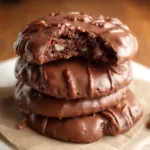
Texas Sheet Cake Cookies – Soft Chocolate Cookies with Rich Fudgy Frosting
- Total Time: 1 hour
Description
Traditional Texas sheet cake is famous for its thin, moist chocolate cake and smooth chocolate frosting, often poured over the cake while it is still warm. These easy Texas sheet cake cookies recreate that beloved flavor in individual portions, making them perfect for sharing at parties, packing into lunchboxes, bringing to potlucks, or serving after dinner.
Ingredients
For the chocolate cookies
- 1 cup (226 g) unsalted butter, softened: Adds richness and creates a tender cookie texture.
- 1 cup (200 g) granulated sugar: Sweetens the cookies and helps create a soft crumb.
- 2 large eggs: Bind the ingredients together and contribute to the cookies’ structure.
- 2 teaspoons vanilla extract: Enhances the chocolate flavor and adds warmth.
- 2 cups (250 g) all-purpose flour: Provides structure for the cookies.
- 1/2 cup (45–50 g) unsweetened cocoa powder: Gives the cookies their signature chocolate flavor.
- 1 teaspoon baking powder: Helps the cookies rise slightly.
- 1/2 teaspoon baking soda: Supports the texture and contributes to the cookies’ spread.
- 1/2 teaspoon salt: Balances the sweetness and intensifies the chocolate flavor.
- 1/4 cup (60 ml) milk or buttermilk: Adds moisture and helps create a tender dough.
For the fudgy chocolate frosting
- 1/2 cup (113 g) unsalted butter: Forms the rich base of the frosting.
- 1/4 cup (25 g) unsweetened cocoa powder: Adds deep chocolate flavor.
- 3 tablespoons milk: Helps the frosting become smooth and pourable.
- 2 cups (240 g) powdered sugar: Sweetens and thickens the frosting.
- 1 teaspoon vanilla extract: Enhances the overall flavor.
- 1 pinch of salt: Balances the sweetness.
Optional toppings
- 1/2 cup chopped pecans
- 1/2 cup chopped walnuts
- Mini chocolate chips
- Chocolate shavings
- A small pinch of flaky sea salt
Instructions
Preheat your oven to 350°F (175°C). Line two baking sheets with parchment paper or silicone baking mats.
Preparing the baking sheets before mixing the dough makes the process easier and prevents the cookies from sitting too long after they have been shaped.
Measure all the ingredients and allow the butter and eggs to reach room temperature. Softened butter combines more easily with sugar, while room-temperature eggs help create a smoother dough.
If you are using chopped pecans or walnuts, prepare them now so they are ready when you make the frosting.
Step 2: Cream the butter and sugar
Place the softened butter and granulated sugar in a large mixing bowl. Using a hand mixer or stand mixer, beat the mixture for approximately 2–3 minutes until it looks creamy and well combined.
Scrape down the sides of the bowl as needed to ensure everything mixes evenly.
Creaming butter and sugar incorporates air into the mixture, helping the cookies develop a lighter texture. Avoid using melted butter, because it can cause the cookies to spread too much during baking.
Add the eggs one at a time, mixing well after each addition. Stir in the vanilla extract until the mixture is smooth.
The mixture may look slightly curdled if the ingredients are at different temperatures, but it should come together as you incorporate the dry ingredients.
Step 3: Combine the dry ingredients
In a separate bowl, whisk together the all-purpose flour, cocoa powder, baking powder, baking soda, and salt.
Whisk thoroughly to distribute the leavening agents and eliminate lumps in the cocoa powder.
If your cocoa powder is particularly lumpy, sift it before mixing. This helps prevent dry pockets of cocoa from appearing in the finished cookies.
Adding the dry ingredients separately also makes it easier to control the consistency of the dough and prevents overmixing.
Step 4: Make the chocolate cookie dough
Gradually add the dry ingredients to the creamed butter mixture, alternating with the milk or buttermilk. Begin and end with the dry ingredients, mixing on low speed.
Mix just until a soft chocolate dough forms. Scrape down the sides of the bowl to incorporate any remaining flour.
The dough should be soft enough to scoop but firm enough to hold its shape on the baking sheet. If it seems unusually loose, check your measurements before adding more flour.
Avoid overmixing. Once the flour is incorporated, stop mixing to prevent the cookies from becoming tough.
If the dough feels too soft to handle, cover the bowl and refrigerate it for 20–30 minutes. Chilling is especially helpful in a warm kitchen.
Step 5: Shape the cookies
Scoop the dough into portions of approximately 1 1/2 tablespoons each. Roll the portions gently into balls or drop them onto the prepared baking sheets using a cookie scoop.
Leave approximately 2 inches between the cookies to allow for spreading.
For a more uniform appearance, use the same amount of dough for every cookie. Even portions also help the cookies bake at a similar rate.
If you prefer flatter cookies, gently press the dough balls down slightly with your fingertips. For thicker, softer cookies, leave them rounded.
Do not place the dough on a hot baking sheet, as this can cause excessive spreading before the cookies have a chance to set.
Step 6: Bake the chocolate cookies
Bake the cookies in the preheated oven for approximately 8–11 minutes. Baking time depends on the size of the cookies and the characteristics of your oven.
The edges should look set, while the centers may remain slightly soft. Do not wait for the cookies to become completely firm in the oven because they will continue to set as they cool.
Remove the baking sheets from the oven and let the cookies rest for approximately 5 minutes. Transfer them carefully to a wire rack if needed.
For the most tender texture, avoid overbaking. Chocolate cookies can become dry quickly if left in the oven too long.
Allow the cookies to cool slightly before adding the frosting. They can still be a little warm, which helps the frosting spread smoothly over the surface.
Step 7: Prepare the fudgy chocolate frosting
While the cookies cool, place the butter in a small saucepan over low heat. Allow it to melt gently.
Whisk in the cocoa powder until smooth. Add the milk and stir until the mixture is well combined.
Remove the saucepan from the heat and gradually add the powdered sugar, whisking continuously to prevent lumps.
Stir in the vanilla extract and a pinch of salt. The frosting should be smooth, glossy, and thick enough to coat the cookies while still being pourable.
If the frosting is too thick, add a small amount of milk, about one teaspoon at a time. If it is too thin, whisk in a little more powdered sugar.
Prepare the frosting shortly before using it. As it cools, it will thicken, making it more difficult to spread.
Step 8: Frost the cookies while the frosting is warm
Spoon or drizzle the warm chocolate frosting over each cookie. You can spread it gently with the back of a spoon or allow it to flow naturally over the top.
The warm frosting creates the classic Texas sheet cake finish: a rich chocolate layer that settles over the cookie and develops a delicate surface as it cools.
If you are adding chopped pecans or walnuts, sprinkle them over the frosting immediately, before it begins to set.
For a simple presentation, leave the frosting smooth. For a more decorative look, add a few extra nuts or a small amount of chocolate shavings.
Step 9: Let the frosting set
Place the frosted cookies on a wire rack and allow them to rest until the chocolate topping firms up.
Depending on the temperature of your kitchen and the thickness of the frosting, this may take approximately 30–60 minutes.
Avoid stacking the cookies before the frosting has set, as the tops may stick together and become messy.
Once the frosting is firm enough to handle, arrange the cookies on a serving plate or place them in an airtight container.
Step 10: Serve and enjoy
Serve your Texas Sheet Cake Cookies at room temperature for the best balance of soft chocolate cookie and rich frosting.
Pair them with cold milk, coffee, or hot chocolate. They are also delicious served alongside vanilla ice cream for an extra-special dessert.
These cookies are perfect for sharing at family gatherings, school events, bake sales, holiday parties, and weekend celebrations.
Notes
For the best Texas Sheet Cake Cookies, pay attention to the texture of the dough, the baking time, and the consistency of the frosting.
Use softened butter, not melted butter. Softened butter creams more effectively with sugar and helps the cookies hold their shape.
Measure the flour accurately. Too much flour can produce dry, dense cookies. Spoon the flour into the measuring cup and level it rather than packing it down.
Do not overbake. The cookies should remain tender in the center. Remove them when the edges are set and the centers are still slightly soft.
Prepare the frosting at the right time. Warm frosting spreads easily, while cooled frosting becomes thicker and harder to pour. Make it shortly before you are ready to frost the cookies.
Frost while the cookies are slightly warm. This helps the topping settle smoothly, but avoid frosting extremely hot cookies because the frosting may become too thin and run off.
Allow the frosting to set before storing. This prevents the cookies from sticking together and keeps their appearance neat.
Check ingredient labels if serving guests with allergies. This recipe contains wheat, milk, and eggs, and optional nuts may introduce additional allergens.
- Prep Time: 20 minutes
- Cooling and Setting Time: 30–60 minutes
- Cook Time: 8–11 minutes per batch
Nutrition
- Calories: 180–230
- Sodium: 100–200 mg
- Protein: 2–4 g
