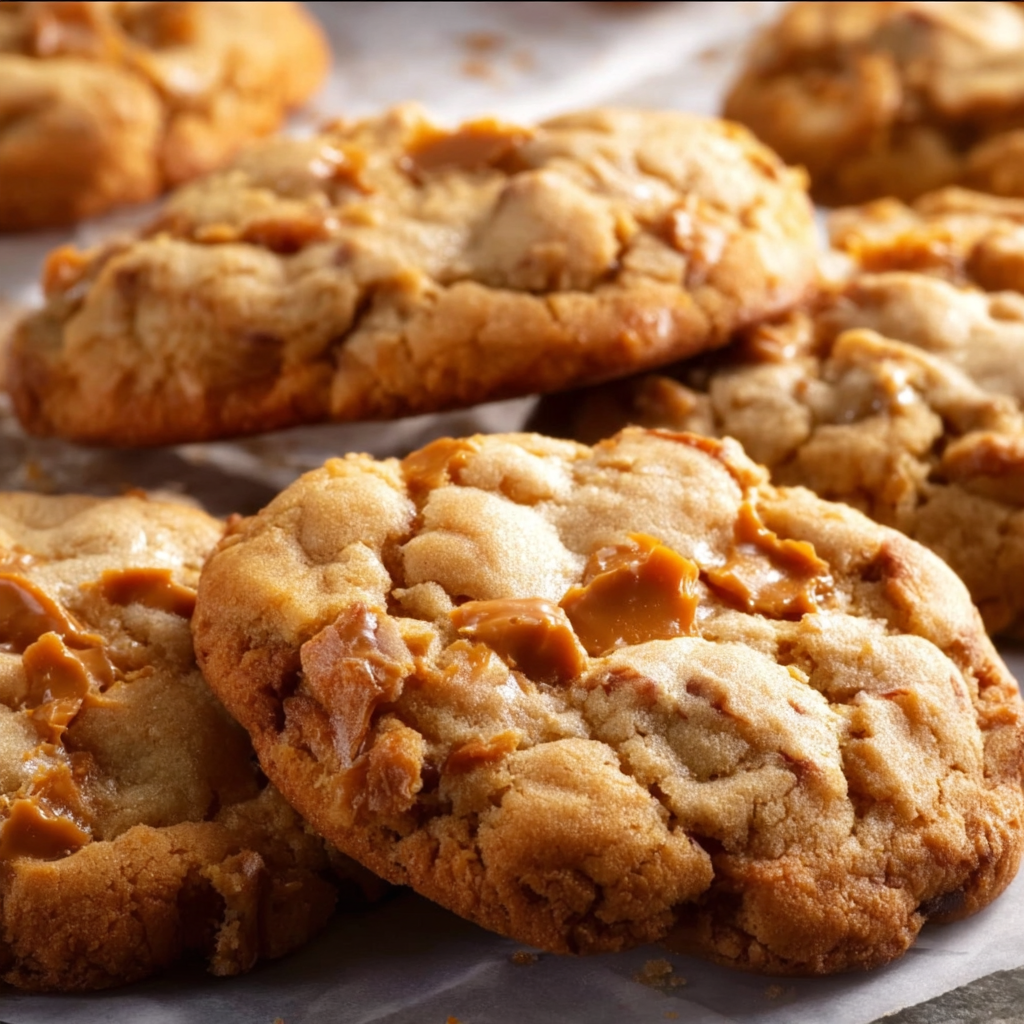
If you love homemade cookies with golden edges, soft centers, rich buttery flavor, and delicious caramel-like sweetness, these Butterscotch Toffee Cookies are sure to become a favorite. Made with brown sugar, creamy butter, sweet butterscotch chips, and crunchy toffee bits, these irresistible cookies combine several wonderful textures and flavors in every bite. They are easy to prepare, require simple pantry ingredients, and make a fantastic treat for holidays, family gatherings, bake sales, afternoon snacks, or anytime you crave something sweet.
What makes this butterscotch toffee cookie recipe so special is the combination of two classic dessert flavors. Butterscotch provides a rich, buttery sweetness with hints of brown sugar and caramel, while toffee bits contribute a deeper caramelized flavor and a satisfying crunch. Together, these ingredients transform an ordinary homemade cookie into a bakery-style treat that tastes wonderfully rich without requiring complicated techniques.
The cookie dough starts with butter, brown sugar, and granulated sugar. Brown sugar is especially important because it contributes moisture, softness, and a warm molasses flavor that complements the butterscotch chips. A small amount of granulated sugar helps the cookies spread and develop lightly crisp edges. Vanilla extract enhances the sweetness, while flour, eggs, baking soda, and salt create the structure and balance needed for a tender cookie.
Butterscotch chips melt slightly as the cookies bake, creating sweet pockets throughout the dough. Toffee bits add texture and a delicious caramelized crunch. As the cookies cool, the edges become more defined while the centers remain pleasantly chewy.
Another advantage of these homemade butterscotch cookies is their versatility. You can add chopped pecans, walnuts, white chocolate chips, or a pinch of flaky sea salt to create different flavor combinations. You can also prepare the dough ahead of time, making this recipe convenient for busy days and holiday baking.
Whether you are searching for an easy butterscotch cookie recipe, chewy toffee cookies, or a delicious dessert to share with friends and family, these cookies are an excellent choice. Their golden appearance, sweet aroma, and buttery texture make them difficult to resist.
Serve them with a glass of cold milk, a cup of coffee, or a mug of hot chocolate. Once you try the combination of butterscotch chips and crunchy toffee bits, you may find yourself returning to this recipe whenever you want a dependable homemade cookie that feels both comforting and special.
Ingredients
The following ingredients make approximately 24 medium-sized Butterscotch Toffee Cookies, depending on the size of the dough portions.
Dry Ingredients
- 2 1/4 cups (280 g) all-purpose flour: Provides structure and helps the cookies hold their shape while remaining tender.
- 1 teaspoon baking soda: Helps the cookies rise and spread, contributing to their soft centers and lightly golden edges.
- 1/2 teaspoon salt: Balances the sweetness and enhances the buttery and caramel-like flavors.
- 1 tablespoon cornstarch, optional: Helps create a softer, more tender cookie texture.
Wet Ingredients
- 3/4 cup (170 g) unsalted butter, softened: Gives the cookies their rich buttery flavor and tender texture.
- 3/4 cup (150 g) packed light brown sugar: Adds moisture, chewiness, and a warm caramel-like taste.
- 1/4 cup (50 g) granulated sugar: Helps the cookies spread and develop lightly crisp edges.
- 1 large egg: Binds the ingredients together and provides structure.
- 1 egg yolk: Adds richness and can help create a softer, chewier center.
- 2 teaspoons vanilla extract: Enhances the sweetness and complements the butterscotch flavor.
Butterscotch and Toffee Add-Ins
- 1 cup (170 g) butterscotch chips: Provides sweet, creamy butterscotch flavor throughout the cookies.
- 3/4 cup (120–150 g) toffee bits: Adds crunchy caramelized flavor and texture.
- 1/2 cup chopped pecans, optional: Adds a nutty flavor and extra crunch.
- Flaky sea salt, optional: Creates a delicious sweet-and-salty contrast.
For the best results, use fresh ingredients and measure the flour carefully. Too much flour can make cookies dry, while too little may cause excessive spreading.
Preparation: How to Make Butterscotch Toffee Cookies
Follow these detailed steps to make delicious homemade butterscotch cookies with soft centers, golden edges, and plenty of sweet toffee pieces.
Step 1: Prepare the Oven and Baking Sheets
Preheat your oven to 350°F (175°C).
Line two baking sheets with parchment paper or reusable silicone baking mats. This helps prevent the cookies from sticking and promotes more even baking.
Measure all the ingredients before you begin. Place the flour, baking soda, salt, and optional cornstarch in a medium bowl. Whisk them together until evenly combined.
Preparing the dry ingredients separately helps distribute the baking soda and salt throughout the dough. This reduces the chance of uneven rising or salty spots in the finished cookies.
Make sure the baking sheets are cool before placing fresh cookie dough on them. Putting dough on a hot baking sheet can cause the butter to melt too quickly, resulting in cookies that spread excessively.
Step 2: Cream the Butter and Sugars
Place the softened butter, brown sugar, and granulated sugar in a large mixing bowl.
Using a hand mixer or stand mixer fitted with the paddle attachment, beat the ingredients for approximately 2–3 minutes, until the mixture looks creamy and well combined.
Scrape down the sides of the bowl as needed so that the butter and sugar mix evenly.
The butter should be soft enough to press gently with a finger but should not be melted. Melted butter changes the structure of the dough and may produce flatter cookies.
Creaming the butter and sugars helps create the texture of these chewy butterscotch toffee cookies. It also distributes the sugar evenly, helping the cookies bake consistently.
Step 3: Add the Egg, Egg Yolk, and Vanilla
Add the large egg, extra egg yolk, and vanilla extract to the creamed butter mixture.
Beat until the ingredients are fully incorporated and the mixture appears smooth.
The egg provides structure, while the additional yolk contributes richness and tenderness. Vanilla enhances the natural buttery sweetness and works especially well with the caramel flavor of the toffee bits.
If the mixture looks slightly separated at first, continue mixing briefly and scrape down the sides of the bowl. Avoid overbeating once the ingredients are combined.
Step 4: Combine the Wet and Dry Ingredients
Gradually add the flour mixture to the wet ingredients.
Mix on low speed or stir with a sturdy spatula until the flour is almost completely incorporated. Stop mixing once the dough comes together and no large patches of dry flour remain.
Avoid excessive mixing. Overworking the dough can develop gluten, which may make the cookies tougher rather than soft and tender.
The dough should be thick enough to scoop easily. If it feels unusually soft or warm, refrigerate it for approximately 20–30 minutes before adding the remaining ingredients or shaping the cookies.
Step 5: Fold in the Butterscotch Chips and Toffee Bits
Add the butterscotch chips and toffee bits to the cookie dough.
Use a spatula to fold them in gently until they are evenly distributed. If you are using chopped pecans, add them at this stage as well.
Try to distribute the chips and toffee pieces throughout the dough rather than allowing them to collect at the bottom of the bowl. This helps ensure that every cookie contains a delicious combination of buttery dough, sweet butterscotch, and crunchy toffee.
For a bakery-style appearance, reserve a small handful of butterscotch chips and toffee bits. Press a few pieces onto the tops of the dough balls just before baking.
Step 6: Chill the Cookie Dough
For thicker cookies with a richer flavor, cover the bowl and refrigerate the dough for approximately 30 minutes.
Chilling is optional, but it can help reduce excessive spreading and make the dough easier to handle. It also gives the flour time to absorb moisture, which can improve the cookie texture.
If you prefer thinner cookies with more spreading, you can bake the dough without chilling it, provided the butter has not become too warm.
For the most consistent results, keep the dough cool while working in batches. If the kitchen is particularly warm, return the dough to the refrigerator between batches.
Step 7: Shape the Cookies
Scoop the dough into portions approximately 1 1/2 tablespoons in size. Roll each portion gently into a ball and place it on the prepared baking sheet.
Leave approximately 2 inches between the dough balls to allow room for spreading.
Press a few reserved butterscotch chips or toffee bits onto the top of each dough ball if desired. This creates an attractive appearance and makes the ingredients visible after baking.
Avoid flattening the dough balls too much. The cookies will spread naturally in the oven, and leaving them slightly rounded helps maintain a soft center.
Step 8: Bake Until the Edges Are Golden
Place the baking sheet in the preheated oven and bake for approximately 9–12 minutes, depending on the size of the cookies and your oven.
The edges should look set and lightly golden, while the centers may still appear slightly soft. This is desirable because the cookies continue to firm up as they cool.
Do not wait until the centers look completely firm in the oven. Overbaking can make the cookies dry and reduce their chewy texture.
If your oven has hot spots, rotate the baking sheet halfway through the baking time. Bake one sheet at a time when possible for more consistent results.
Step 9: Allow the Cookies to Cool
Remove the baking sheet from the oven and allow the cookies to rest on the sheet for approximately 5 minutes.
During this time, the cookies continue to set, and the edges become firm enough to handle. The centers remain tender as the cookies cool.
Transfer them carefully to a wire rack to cool completely.
If the cookies appear slightly uneven after baking, you can gently shape the edges while they are still warm using a round cookie cutter or the rim of a heatproof glass. Move the cutter around each cookie in a small circular motion without pressing down on the top.
This optional technique creates neat, bakery-style cookies.
Step 10: Serve and Enjoy
Once the cookies have cooled enough to handle, arrange them on a serving plate.
For an extra-special finish, sprinkle a tiny amount of flaky sea salt over the cookies while they are still slightly warm. The salt enhances the caramel flavor and balances the sweetness of the butterscotch chips.
Serve these homemade Butterscotch Toffee Cookies with cold milk, coffee, tea, or hot chocolate.
Enjoy the combination of soft cookie centers, lightly crisp edges, sweet butterscotch chips, and crunchy toffee bits in every bite.
Variations
These Butterscotch Toffee Cookies are easy to customize. Try one of the following variations to create a new version while preserving the classic buttery, caramel-like flavor.
1. Butterscotch Toffee Cookies with Pecans
Add 1/2 cup of chopped pecans to the dough. Pecans pair naturally with brown sugar, butter, butterscotch, and toffee.
For a deeper nutty flavor, toast the pecans in a dry skillet for a few minutes before adding them to the dough. Allow them to cool completely first.
2. Chocolate Chip Butterscotch Toffee Cookies
Replace part of the butterscotch chips with semisweet chocolate chips. For example, use 1/2 cup butterscotch chips and 1/2 cup semisweet chocolate chips.
The slightly bitter chocolate balances the sweetness of the toffee and creates a rich, bakery-style cookie.
3. White Chocolate Toffee Cookies
Add 1/2 cup white chocolate chips to the dough. White chocolate provides a creamy sweetness that complements the caramelized flavor of the toffee bits.
If you choose this variation, consider reducing the butterscotch chips slightly to avoid making the cookies excessively sweet.
4. Salted Butterscotch Toffee Cookies
Sprinkle a small pinch of flaky sea salt over each cookie immediately after baking.
The salt enhances the brown sugar and caramel flavors, creating a sweet-and-salty combination that many cookie lovers enjoy.
5. Extra-Chewy Toffee Cookies
Use the additional egg yolk included in this recipe, measure the flour accurately, and avoid overbaking.
You can also refrigerate the dough before baking. Remove the cookies from the oven when the edges are set and the centers still look slightly soft.
6. Brown Butter Butterscotch Cookies
For a deeper, nuttier flavor, brown the butter before preparing the dough.
Melt the butter in a light-colored saucepan over medium heat, stirring frequently until golden-brown specks form and the butter smells nutty. Remove it from the heat immediately and allow it to cool until no longer hot before mixing it with the sugars and eggs.
Because browned butter loses some water during cooking, the dough may require minor adjustment. Chill it if it feels too soft.
7. Cinnamon Butterscotch Toffee Cookies
Add 1/2 teaspoon ground cinnamon to the dry ingredients. Cinnamon complements brown sugar and gives the cookies a warm flavor that works especially well during autumn and the holiday season.
8. Gluten-Free Butterscotch Cookies
Use a reliable gluten-free all-purpose flour blend designed for baking, ideally one containing a suitable binder.
Check the labels of the butterscotch chips and toffee bits to ensure they meet your dietary requirements. The texture may differ slightly from cookies made with regular wheat flour.
9. Holiday Butterscotch Toffee Cookies
Add festive sprinkles or drizzle the cooled cookies with melted white chocolate. You can also package them in decorative tins for holiday gifts.
Keep additional toppings modest so they do not overpower the butterscotch and toffee flavors.
10. Mini Butterscotch Toffee Cookies
Use smaller dough portions and reduce the baking time. Begin checking the cookies after approximately 6–8 minutes, depending on their size.
Mini cookies are ideal for dessert platters, parties, lunchboxes, and cookie exchanges.
Cooking Note
For consistently delicious Butterscotch Toffee Cookies, pay attention to the butter temperature, dough consistency, and baking time.
Use softened butter, not melted butter. Softened butter creams more effectively with sugar and helps the cookies maintain their intended texture.
Measure flour correctly. Too much flour can create dry, crumbly cookies. Weighing the flour is the most reliable method.
Avoid overmixing. Once the flour is incorporated, stop mixing. Excessive mixing can make the cookies tougher.
Chill the dough when necessary. If the dough is very soft, chilling helps prevent the cookies from spreading too much.
Watch the baking time carefully. The centers should remain slightly soft when the cookies come out of the oven. They will continue setting on the baking sheet.
Check your toffee bits. Some commercial toffee pieces contain chocolate coatings, while others are plain caramelized toffee. Either can work, but the final flavor will differ.
Be careful with very hot toffee. Melted sugar can become extremely hot. Allow the cookies to cool before eating, especially when the toffee pieces are still warm and soft.
Adjust sweetness thoughtfully. Butterscotch chips and toffee bits are both sweet. If you prefer a less-sweet cookie, use a combination of butterscotch chips and semisweet chocolate chips.
Serving Suggestions
Butterscotch Toffee Cookies are delicious on their own, but they also pair beautifully with drinks and other desserts.
With a Glass of Cold Milk
Milk is a classic accompaniment for homemade cookies. Its creamy, mild flavor balances the sweetness of the butterscotch chips and the richness of the butter.
With Coffee or Espresso
Coffee and espresso provide a pleasant contrast to the sweet caramel notes. Serve the cookies with a morning coffee, afternoon latte, or after-dinner espresso.
With Hot Chocolate
For a cozy dessert, serve the cookies alongside hot chocolate. This combination is especially enjoyable during colder months and holiday gatherings.
With Vanilla Ice Cream
Crumble a cookie over vanilla ice cream or serve a cookie alongside a small scoop. The buttery toffee pieces complement the creamy ice cream.
You can also use two cooled cookies to make an ice cream sandwich. Press softened vanilla ice cream between them, wrap, and freeze until firm.
On a Holiday Cookie Platter
Arrange the cookies with chocolate chip cookies, gingerbread cookies, shortbread, and other festive treats. Their golden color and visible butterscotch chips add variety to a dessert platter.
As Homemade Gifts
Place fully cooled cookies in a decorative tin or food-safe gift box lined with parchment paper. Separate layers with parchment to help prevent sticking.
Add a label listing the ingredients, particularly if the cookies contain pecans or other common allergens.
Tips for the Best Butterscotch Toffee Cookies
- Use quality butterscotch chips. Their flavor is central to the recipe, so choose a brand you enjoy.
- Do not pack the flour into the measuring cup. Too much flour can make the cookies dry and dense.
- Use fresh baking soda. Old leavening agents may affect spreading and texture.
- Cream the butter and sugars thoroughly. This helps distribute the sugar and creates a consistent dough.
- Keep the dough cool. Warm dough can spread too much before the cookies have time to set.
- Reserve a few chips for decorating. Adding visible butterscotch chips and toffee pieces to the tops creates an appealing finish.
- Use parchment paper. It helps prevent sticking and makes cleanup easier.
- Bake similar-sized cookies together. Uniform portions cook more evenly.
- Do not overcrowd the baking sheet. Leave enough space between dough balls for spreading.
- Remove the cookies while the centers are still soft. This is one of the most important secrets to chewy cookies.
- Allow them to rest on the baking sheet. A few minutes of resting helps the cookies finish setting without becoming overbaked.
- Cool completely before storing. Warm cookies create condensation inside containers, which can affect their texture.
- Store them in an airtight container. This helps maintain freshness and prevents the cookies from drying out.
- Freeze extra dough. Scoop the dough into portions and freeze them on a tray before transferring them to a freezer-safe bag or container.
- Label frozen dough. Include the date and baking temperature so that the dough is easy to use later.
- Experiment with add-ins carefully. Nuts, chocolate chips, and other additions can enhance the recipe, but too many extras may prevent the dough from holding together properly.
Prep Time
Prep Time: 15 minutes
This includes measuring the ingredients, mixing the dough, and folding in the butterscotch chips and toffee bits. If you choose to chill the dough, allow additional time.
Cooking Time
Cooking Time: 9–12 minutes per batch
The exact time depends on cookie size, oven accuracy, and whether the dough is chilled. Larger cookies may require additional baking time.
Total Time
Total Time: Approximately 30–45 minutes, excluding optional chilling time and depending on the number of batches.
If you chill the dough for 30 minutes, plan for approximately 60–75 minutes from start to finish.
Nutritional Information
The following nutritional information is an estimate for one cookie when the recipe makes approximately 24 cookies. Actual values depend on the brands of butterscotch chips and toffee bits used, the final cookie size, and any optional additions.
- Calories: Approximately 180–220 per cookie
- Protein: Approximately 2–3 grams per cookie
- Sodium: Approximately 100–180 milligrams per cookie
Calories
Most calories come from butter, sugars, butterscotch chips, and toffee bits. Smaller cookies can help you control portion sizes while still enjoying the flavor.
Protein
Flour, eggs, butter, and any added nuts contribute small amounts of protein. These cookies are primarily a sweet treat rather than a significant protein source.
Sodium
Sodium comes mainly from the salt, baking soda, and packaged add-ins. The exact amount varies by brand and recipe variation.
These estimates are provided for general guidance and should not be treated as laboratory-tested nutritional values.
FAQs About Butterscotch Toffee Cookies
1. What are Butterscotch Toffee Cookies?
Butterscotch Toffee Cookies are homemade cookies made with buttery dough, brown sugar, butterscotch chips, and crunchy toffee bits. They typically have lightly crisp edges, soft centers, and a rich caramel-like flavor.
2. What is the difference between butterscotch and toffee?
Butterscotch is a flavor traditionally made with butter and brown sugar. Toffee is made by cooking sugar with butter until it develops a caramelized flavor and firm texture.
In these cookies, butterscotch chips add sweet, creamy flavor, while toffee bits provide a more concentrated caramel taste and a crunchy texture.
3. How do I make my butterscotch cookies chewy?
Use the brown sugar and egg yolk in the recipe, avoid adding excess flour, and do not overbake the cookies. Remove them when the edges are set but the centers still look slightly soft.
Allow them to cool on the baking sheet for a few minutes before transferring them to a rack.
4. Why did my cookies spread too much?
Excessive spreading can result from butter that is too warm, insufficient flour, a hot baking sheet, or dough that has not been chilled when needed.
Measure ingredients carefully, use cool baking sheets, and refrigerate soft dough before baking.
5. Can I make the cookie dough ahead of time?
Yes. Cover the dough and refrigerate it for up to approximately 48 hours for best quality. Allow very firm dough to soften slightly before scooping if necessary.
You may also freeze the dough in individual portions for convenient future baking.
6. Can I freeze Butterscotch Toffee Cookies?
Yes. Allow the cookies to cool completely, then place them in a freezer-safe container with parchment between layers.
Freeze for approximately 2–3 months for best quality. Thaw at room temperature before serving.
7. Can I use homemade toffee bits?
Yes. Homemade toffee bits can add excellent flavor. Allow homemade toffee to cool and harden completely before breaking it into small pieces.
Be cautious when making toffee because hot sugar can cause severe burns. Keep the pieces small enough to distribute throughout the cookie dough.
8. Can I substitute chocolate chips for butterscotch chips?
Yes. Semisweet chocolate chips, milk chocolate chips, or white chocolate chips can be used. However, the flavor will change depending on the chocolate you select.
For a balanced variation, use half butterscotch chips and half semisweet chocolate chips.
9. Do I need to chill the dough?
No, chilling is optional. However, it can improve flavor, reduce excessive spreading, and make the dough easier to handle.
If your butter was very soft or your kitchen is warm, chilling is especially helpful.
10. How do I know when the cookies are done?
The edges should be set and lightly golden, while the centers should look slightly soft. For medium cookies, this usually takes around 9–12 minutes at 350°F (175°C).
The cookies will continue to set as they cool.
11. How should I store these cookies?
Once completely cooled, store them in an airtight container at room temperature. They generally maintain their best texture for approximately 3–5 days when stored properly.
Keep them away from direct sunlight and excessive heat.
12. Can I make these cookies without eggs?
You can try a commercial egg replacer designed for cookies. However, egg-free substitutions may change the texture and spreading behavior.
Follow the replacement product’s instructions and test a small batch before baking the entire recipe.
13. Are Butterscotch Toffee Cookies suitable for Christmas?
Absolutely. Their buttery flavor and golden appearance make them a lovely addition to Christmas cookie platters, holiday dessert tables, and homemade gift boxes.
You can drizzle cooled cookies with melted chocolate or add festive decorations for special occasions.
14. Can I make larger bakery-style cookies?
Yes. Use larger dough portions and leave more space between them on the baking sheet. Larger cookies will require additional baking time, so check the centers carefully and avoid overbaking.
15. Why are my toffee pieces hard after baking?
Toffee is naturally firm and crunchy, and it can become especially hard as it cools. Smaller pieces distribute more evenly and are easier to bite through than large chunks.
Allow the cookies to cool before eating, and avoid using excessively large pieces of hard toffee.
16. Can I add nuts to this recipe?
Yes. Chopped pecans and walnuts are excellent options. Use approximately 1/2 cup and fold them into the dough with the butterscotch chips and toffee bits.
If serving others, disclose the nuts and avoid cross-contact when preparing food for anyone with an allergy.
17. Can I use salted butter instead of unsalted butter?
Yes. If you use salted butter, reduce the added salt slightly. The exact adjustment depends on the salt content of the butter and your personal taste.
18. How can I make the cookies look like they came from a bakery?
Use a cookie scoop for uniform portions, reserve extra chips and toffee pieces for the tops, and shape the edges while the cookies are still warm if needed.
Let the cookies cool completely before stacking or packaging them.
Conclusion
These Butterscotch Toffee Cookies are a wonderful choice for anyone who loves homemade cookies with buttery flavor, chewy centers, golden edges, and sweet caramel-like crunch. The combination of brown sugar, vanilla, butterscotch chips, and toffee bits creates a delicious treat that is simple enough for everyday baking and special enough for celebrations.
The recipe uses familiar ingredients and straightforward preparation steps, making it suitable for beginner bakers and experienced home cooks alike. By measuring the flour accurately, chilling the dough when necessary, and removing the cookies from the oven while their centers are still soft, you can achieve a tender, chewy texture with beautifully golden edges.
You can also customize the recipe with pecans, chocolate chips, cinnamon, or flaky sea salt to create your own favorite version. Whether you prepare them for Christmas, a bake sale, an afternoon snack, or a homemade gift, these cookies offer a comforting combination of buttery sweetness and crunchy toffee in every bite.
Serve them with coffee, milk, or hot chocolate, and keep a batch ready for whenever a sweet craving strikes. Once you experience the irresistible flavor of homemade Butterscotch Toffee Cookies, they may become a regular addition to your baking collection.
Print
Butterscotch Toffee Cookies – Soft, Chewy, Buttery, and Loaded with Sweet Toffee Bits
- Total Time: 30–45 minutes
Description
If you love homemade cookies with golden edges, soft centers, rich buttery flavor, and delicious caramel-like sweetness, these Butterscotch Toffee Cookies are sure to become a favorite. Made with brown sugar, creamy butter, sweet butterscotch chips, and crunchy toffee bits, these irresistible cookies combine several wonderful textures and flavors in every bite.
Ingredients
Dry Ingredients
- 2 1/4 cups (280 g) all-purpose flour: Provides structure and helps the cookies hold their shape while remaining tender.
- 1 teaspoon baking soda: Helps the cookies rise and spread, contributing to their soft centers and lightly golden edges.
- 1/2 teaspoon salt: Balances the sweetness and enhances the buttery and caramel-like flavors.
- 1 tablespoon cornstarch, optional: Helps create a softer, more tender cookie texture.
Wet Ingredients
- 3/4 cup (170 g) unsalted butter, softened: Gives the cookies their rich buttery flavor and tender texture.
- 3/4 cup (150 g) packed light brown sugar: Adds moisture, chewiness, and a warm caramel-like taste.
- 1/4 cup (50 g) granulated sugar: Helps the cookies spread and develop lightly crisp edges.
- 1 large egg: Binds the ingredients together and provides structure.
- 1 egg yolk: Adds richness and can help create a softer, chewier center.
- 2 teaspoons vanilla extract: Enhances the sweetness and complements the butterscotch flavor.
Butterscotch and Toffee Add-Ins
- 1 cup (170 g) butterscotch chips: Provides sweet, creamy butterscotch flavor throughout the cookies.
- 3/4 cup (120–150 g) toffee bits: Adds crunchy caramelized flavor and texture.
- 1/2 cup chopped pecans, optional: Adds a nutty flavor and extra crunch.
- Flaky sea salt, optional: Creates a delicious sweet-and-salty contrast.
Instructions
Preheat your oven to 350°F (175°C).
Line two baking sheets with parchment paper or reusable silicone baking mats. This helps prevent the cookies from sticking and promotes more even baking.
Measure all the ingredients before you begin. Place the flour, baking soda, salt, and optional cornstarch in a medium bowl. Whisk them together until evenly combined.
Preparing the dry ingredients separately helps distribute the baking soda and salt throughout the dough. This reduces the chance of uneven rising or salty spots in the finished cookies.
Make sure the baking sheets are cool before placing fresh cookie dough on them. Putting dough on a hot baking sheet can cause the butter to melt too quickly, resulting in cookies that spread excessively.
Step 2: Cream the Butter and Sugars
Place the softened butter, brown sugar, and granulated sugar in a large mixing bowl.
Using a hand mixer or stand mixer fitted with the paddle attachment, beat the ingredients for approximately 2–3 minutes, until the mixture looks creamy and well combined.
Scrape down the sides of the bowl as needed so that the butter and sugar mix evenly.
The butter should be soft enough to press gently with a finger but should not be melted. Melted butter changes the structure of the dough and may produce flatter cookies.
Creaming the butter and sugars helps create the texture of these chewy butterscotch toffee cookies. It also distributes the sugar evenly, helping the cookies bake consistently.
Step 3: Add the Egg, Egg Yolk, and Vanilla
Add the large egg, extra egg yolk, and vanilla extract to the creamed butter mixture.
Beat until the ingredients are fully incorporated and the mixture appears smooth.
The egg provides structure, while the additional yolk contributes richness and tenderness. Vanilla enhances the natural buttery sweetness and works especially well with the caramel flavor of the toffee bits.
If the mixture looks slightly separated at first, continue mixing briefly and scrape down the sides of the bowl. Avoid overbeating once the ingredients are combined.
Step 4: Combine the Wet and Dry Ingredients
Gradually add the flour mixture to the wet ingredients.
Mix on low speed or stir with a sturdy spatula until the flour is almost completely incorporated. Stop mixing once the dough comes together and no large patches of dry flour remain.
Avoid excessive mixing. Overworking the dough can develop gluten, which may make the cookies tougher rather than soft and tender.
The dough should be thick enough to scoop easily. If it feels unusually soft or warm, refrigerate it for approximately 20–30 minutes before adding the remaining ingredients or shaping the cookies.
Step 5: Fold in the Butterscotch Chips and Toffee Bits
Add the butterscotch chips and toffee bits to the cookie dough.
Use a spatula to fold them in gently until they are evenly distributed. If you are using chopped pecans, add them at this stage as well.
Try to distribute the chips and toffee pieces throughout the dough rather than allowing them to collect at the bottom of the bowl. This helps ensure that every cookie contains a delicious combination of buttery dough, sweet butterscotch, and crunchy toffee.
For a bakery-style appearance, reserve a small handful of butterscotch chips and toffee bits. Press a few pieces onto the tops of the dough balls just before baking.
Step 6: Chill the Cookie Dough
For thicker cookies with a richer flavor, cover the bowl and refrigerate the dough for approximately 30 minutes.
Chilling is optional, but it can help reduce excessive spreading and make the dough easier to handle. It also gives the flour time to absorb moisture, which can improve the cookie texture.
If you prefer thinner cookies with more spreading, you can bake the dough without chilling it, provided the butter has not become too warm.
For the most consistent results, keep the dough cool while working in batches. If the kitchen is particularly warm, return the dough to the refrigerator between batches.
Step 7: Shape the Cookies
Scoop the dough into portions approximately 1 1/2 tablespoons in size. Roll each portion gently into a ball and place it on the prepared baking sheet.
Leave approximately 2 inches between the dough balls to allow room for spreading.
Press a few reserved butterscotch chips or toffee bits onto the top of each dough ball if desired. This creates an attractive appearance and makes the ingredients visible after baking.
Avoid flattening the dough balls too much. The cookies will spread naturally in the oven, and leaving them slightly rounded helps maintain a soft center.
Step 8: Bake Until the Edges Are Golden
Place the baking sheet in the preheated oven and bake for approximately 9–12 minutes, depending on the size of the cookies and your oven.
The edges should look set and lightly golden, while the centers may still appear slightly soft. This is desirable because the cookies continue to firm up as they cool.
Do not wait until the centers look completely firm in the oven. Overbaking can make the cookies dry and reduce their chewy texture.
If your oven has hot spots, rotate the baking sheet halfway through the baking time. Bake one sheet at a time when possible for more consistent results.
Step 9: Allow the Cookies to Cool
Remove the baking sheet from the oven and allow the cookies to rest on the sheet for approximately 5 minutes.
During this time, the cookies continue to set, and the edges become firm enough to handle. The centers remain tender as the cookies cool.
Transfer them carefully to a wire rack to cool completely.
If the cookies appear slightly uneven after baking, you can gently shape the edges while they are still warm using a round cookie cutter or the rim of a heatproof glass. Move the cutter around each cookie in a small circular motion without pressing down on the top.
This optional technique creates neat, bakery-style cookies.
Step 10: Serve and Enjoy
Once the cookies have cooled enough to handle, arrange them on a serving plate.
For an extra-special finish, sprinkle a tiny amount of flaky sea salt over the cookies while they are still slightly warm. The salt enhances the caramel flavor and balances the sweetness of the butterscotch chips.
Serve these homemade Butterscotch Toffee Cookies with cold milk, coffee, tea, or hot chocolate.
Enjoy the combination of soft cookie centers, lightly crisp edges, sweet butterscotch chips, and crunchy toffee bits in every bite.
Notes
For consistently delicious Butterscotch Toffee Cookies, pay attention to the butter temperature, dough consistency, and baking time.
Use softened butter, not melted butter. Softened butter creams more effectively with sugar and helps the cookies maintain their intended texture.
Measure flour correctly. Too much flour can create dry, crumbly cookies. Weighing the flour is the most reliable method.
Avoid overmixing. Once the flour is incorporated, stop mixing. Excessive mixing can make the cookies tougher.
Chill the dough when necessary. If the dough is very soft, chilling helps prevent the cookies from spreading too much.
Watch the baking time carefully. The centers should remain slightly soft when the cookies come out of the oven. They will continue setting on the baking sheet.
Check your toffee bits. Some commercial toffee pieces contain chocolate coatings, while others are plain caramelized toffee. Either can work, but the final flavor will differ.
Be careful with very hot toffee. Melted sugar can become extremely hot. Allow the cookies to cool before eating, especially when the toffee pieces are still warm and soft.
Adjust sweetness thoughtfully. Butterscotch chips and toffee bits are both sweet. If you prefer a less-sweet cookie, use a combination of butterscotch chips and semisweet chocolate chips.
- Prep Time: 15 minutes
- Cook Time: 9–12 minutes per batch
Nutrition
- Calories: 180–220 per cookie
- Sodium: 100–180 milligrams per cookie
- Protein: 2–3 grams per cookie
