Introduction
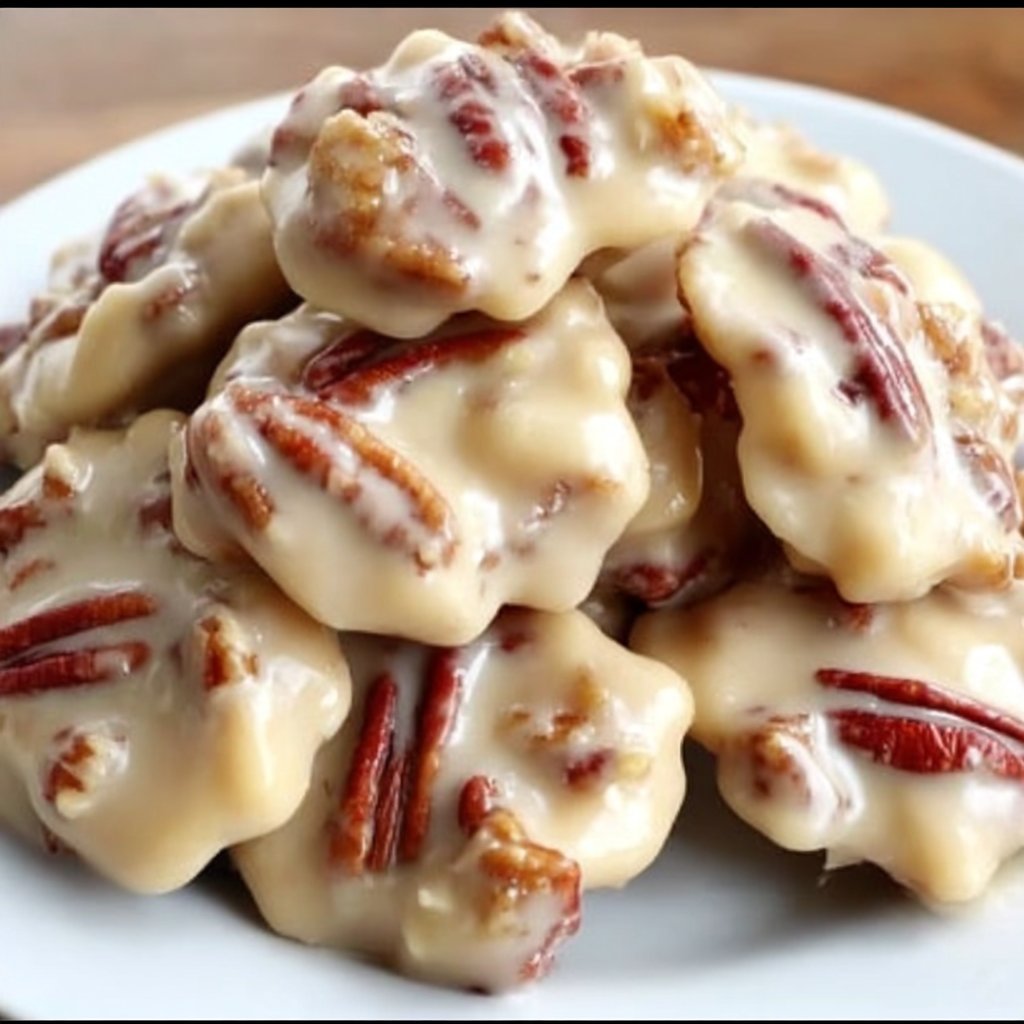
If you love old-fashioned Southern candy, these Vanilla Pecan Pralines are a treat worth making. They combine buttery pecans, rich brown sugar, creamy sweetness, and fragrant vanilla to create homemade candies with a melt-in-your-mouth texture and irresistible nutty flavor.
Traditional pralines are especially popular throughout the American South, where pecans and sugar have long been used to create simple but memorable sweets. This vanilla version adds an extra layer of warmth and aroma, making each bite taste like a little piece of homemade candy-shop goodness.
The secret to excellent pralines is cooking the sugar mixture to the right temperature, adding the pecans at the right moment, and allowing the candy to set before serving. Once you understand the process, the recipe becomes much easier to prepare.
These pralines are perfect for Christmas treat boxes, holiday dessert platters, bake sales, homemade gifts, and afternoon snacks. They also make a lovely addition to your collection of traditional Southern recipes.
Ingredients
For the Vanilla Pecan Pralines
- 2 cups pecan halves or roughly chopped pecans
- 1 cup granulated sugar
- 1 cup packed light brown sugar
- ½ cup evaporated milk
- 4 tablespoons unsalted butter
- 1 teaspoon vanilla extract
- ¼ teaspoon salt
Optional Additions
- ½ teaspoon ground cinnamon
- 1 tablespoon light corn syrup for a smoother sugar mixture
- A pinch of flaky sea salt for finishing
Preparation
Step 1: Prepare the Pecans
Measure the pecans and set them aside in a bowl.
For a deeper, nuttier flavor, toast the pecans in a dry skillet over medium-low heat for approximately 3 to 5 minutes, stirring frequently. Remove them from the heat as soon as they become fragrant.
Allow the pecans to cool slightly.
Line two baking sheets with parchment paper or wax paper. You will use these to hold the pralines while they cool and set.
Because pralines can firm up quickly once the cooking process is complete, it’s important to prepare your work surface before making the candy mixture.
Step 2: Cook the Sugar Mixture
In a heavy-bottomed saucepan, combine the granulated sugar, brown sugar, evaporated milk, butter, and salt.
Place the saucepan over medium heat and stir gently until the butter melts and the sugars dissolve.
Bring the mixture to a steady boil, stirring occasionally to prevent scorching. Once it begins boiling consistently, attach a candy thermometer to the side of the saucepan.
Cook until the mixture reaches approximately 236°F, the soft-ball stage.
This temperature is important because it helps determine the final texture of the pralines. If the mixture doesn’t reach the proper temperature, the candy may remain too soft. If it becomes too hot, the pralines may turn hard or grainy.
Step 3: Add the Vanilla and Pecans
Remove the saucepan from the heat once the mixture reaches the target temperature.
Allow the bubbling to settle briefly, then stir in the vanilla extract.
Add the toasted pecans and stir vigorously with a sturdy heatproof spoon until the nuts are evenly coated.
Continue stirring as the mixture begins to thicken and lose some of its glossy appearance.
This step helps the pralines develop their characteristic creamy, slightly crumbly texture as they cool.
Step 4: Shape the Pralines
Working quickly, drop spoonfuls of the warm mixture onto the prepared parchment-lined baking sheets.
Make each portion approximately 2 to 3 inches wide, leaving enough space between the candies.
If the mixture begins to thicken too quickly, work promptly but carefully. Avoid adding water, which can interfere with the sugar mixture.
For a decorative finish, place a whole pecan half on top of each praline before the surface sets.
Step 5: Let the Candy Cool
Allow the pralines to cool at room temperature for approximately 20 to 30 minutes, or until firm enough to lift from the parchment.
The outside should become set while the inside remains rich and tender.
Once completely cooled, transfer the pralines to an airtight container.
Serve them at room temperature for the best texture and vanilla-pecan flavor.
Variations
Brown Sugar Vanilla Pralines
Replace a small portion of the granulated sugar with additional brown sugar for a deeper caramel flavor. Keep the overall sugar quantity consistent to maintain the intended texture.
Cinnamon Vanilla Pralines
Add ½ teaspoon of ground cinnamon to the sugar mixture for a warm, bakery-inspired flavor.
Chocolate-Dipped Pecan Pralines
Once the pralines have cooled and set, dip their bottoms into melted semi-sweet chocolate. Place them on parchment paper until the chocolate becomes firm.
Salted Vanilla Pecan Pralines
Sprinkle a tiny pinch of flaky sea salt over the pralines immediately after shaping them. The salt balances the sweetness and enhances the buttery pecan flavor.
Maple Pecan Pralines
Replace a small portion of the brown sugar with pure maple syrup, understanding that this changes the moisture balance and may require recipe adjustments. For a more predictable result, add a little maple extract instead.
Creamy Vanilla Pralines
For a richer variation, use a small amount of heavy cream in place of some of the evaporated milk. The final texture may vary, so monitor the candy temperature carefully.
Cooking Notes
Use a candy thermometer. Sugar temperatures have a major effect on the final texture. A thermometer is more reliable than guessing from appearance alone.
Choose a heavy-bottomed saucepan. It distributes heat more evenly and reduces the risk of scorching.
Prepare the parchment before cooking. Once the candy mixture thickens, there may be little time to prepare the baking sheets.
Don’t rush the temperature. A steady boil is preferable to excessive heat, which can cause uneven cooking.
Stir at the right time. Stir enough to prevent scorching during cooking, then stir the pecans into the mixture after removing it from the heat.
Watch the humidity. Very humid weather can make sugar candies slower to set or slightly sticky.
Use fresh pecans. Fresh nuts provide a sweet, buttery flavor without bitterness.
For dependable results, keep a candy thermometer, a sturdy saucepan, a heatproof spoon, and quality kitchenware on hand. These cooking tools are particularly useful when making homemade candy.
Serving Suggestions
Serve Vanilla Pecan Pralines on a decorative candy platter alongside chocolate truffles, fudge, caramel candies, and homemade cookies.
They pair beautifully with coffee, black tea, hot chocolate, or a small glass of cold milk.
For holiday gatherings, place individual pralines in mini paper candy cups and arrange them in a festive tin. They also make thoughtful homemade gifts for friends, neighbors, and family.
For a dessert plate, serve a praline alongside vanilla ice cream or a small slice of pound cake. The buttery pecans and caramel-like flavor complement both desserts wonderfully.
If you’re preparing holiday treats in advance, make a batch when you have a little uninterrupted time. Buying pecans, butter, sugar, and evaporated milk during grocery deals can also help keep homemade candy affordable.
Tips for the Best Vanilla Pecan Pralines
- Measure ingredients before starting: Candy-making moves quickly once the mixture reaches the right temperature.
- Toast the pecans: This brings out their natural nutty flavor.
- Use a candy thermometer: Aim for approximately 236°F, adjusting for local altitude when necessary.
- Avoid overheating: Excessively high temperatures can make pralines hard or grainy.
- Add vanilla off the heat: This helps preserve its aroma.
- Work quickly when shaping: The mixture thickens as it cools.
- Use parchment paper: It prevents the candies from sticking.
- Allow complete cooling: Pralines need time to set before storage.
- Store in a dry place: Moisture can make the surface sticky.
- Practice with small batches: If you’re new to candy-making, a smaller batch can help you learn the ideal texture.
Prep Time, Cooking Time, and Total Time
Prep Time: 10 minutes
Cooking Time: 15–20 minutes
Cooling Time: 30 minutes
Total Time: Approximately 55–60 minutes
Servings: 18–24 pralines
Nutritional Information
Estimated per praline, based on 24 pieces:
Calories: 175
Protein: 1.5g
Sodium: 45mg
Nutritional values are estimates and vary according to the size of each praline and the ingredients used.
FAQs
What are Vanilla Pecan Pralines?
Vanilla Pecan Pralines are traditional Southern-style candies made with sugar, butter, milk, vanilla, and pecans. The mixture is cooked to a specific temperature and then spooned onto parchment to cool into individual candies.
Why didn’t my pralines harden?
The sugar mixture may not have reached the correct temperature, or the kitchen may be very humid. Use a candy thermometer and allow the pralines to cool completely before moving them.
Why did my pralines turn grainy?
Sugar crystallization can occur if the mixture is handled incorrectly or if sugar crystals remain on the sides of the saucepan. Make sure the sugar dissolves properly, avoid scraping crystallized residue into the mixture, and follow the recommended cooking temperature.
Can I make pralines without a candy thermometer?
Yes, but the results are less predictable. The traditional cold-water soft-ball test can help, although a thermometer generally provides more consistent results.
Can I use walnuts instead of pecans?
Yes. Walnuts can be substituted, but the flavor will be slightly different. Pecans are the traditional choice because of their buttery, delicate flavor.
How should I store Vanilla Pecan Pralines?
Store completely cooled pralines in an airtight container in a cool, dry place. Separate layers with parchment paper to help prevent sticking.
How long do pralines last?
They are generally best enjoyed within about 1 to 2 weeks when stored properly. Humidity and storage temperature can affect their texture.
Can I freeze pecan pralines?
Yes. Place fully cooled pralines in an airtight freezer-safe container, separating the layers with parchment paper. Freeze for up to about 2 months for best quality and thaw in the closed container to reduce condensation.
Can I use sweetened condensed milk instead of evaporated milk?
Not as a direct one-to-one substitution without adjusting the recipe. Sweetened condensed milk contains added sugar and has a different consistency, which can significantly change the final candy texture.
Why are my pralines too soft?
The mixture may not have reached the soft-ball stage, or the candy may need more time to cool. If they remain very soft after cooling, the cooking temperature is the first thing to check.
Conclusion
These Vanilla Pecan Pralines bring together the rich flavors of butter, brown sugar, fragrant vanilla, and crunchy pecans in a classic homemade candy. Their creamy sweetness and nutty texture make them a wonderful choice for holiday celebrations, edible gifts, dessert platters, or an everyday sweet treat.
Although candy-making requires attention to temperature and timing, the ingredients are simple and the process becomes easier with practice. Prepare your baking sheets in advance, monitor the sugar mixture carefully, and shape the pralines while the candy is still workable.
With a reliable candy thermometer, a sturdy saucepan, and fresh pecans, you can create a batch of traditional Southern-inspired pralines that look beautiful and taste wonderfully homemade.
Print
Vanilla Pecan Pralines – Easy Southern Homemade Candy Recipe
Ingredients
For the Vanilla Pecan Pralines
- 2 cups pecan halves or roughly chopped pecans
- 1 cup granulated sugar
- 1 cup packed light brown sugar
- ½ cup evaporated milk
- 4 tablespoons unsalted butter
- 1 teaspoon vanilla extract
- ¼ teaspoon salt
Optional Additions
- ½ teaspoon ground cinnamon
- 1 tablespoon light corn syrup for a smoother sugar mixture
- A pinch of flaky sea salt for finishing
Instructions
Measure the pecans and set them aside in a bowl.
For a deeper, nuttier flavor, toast the pecans in a dry skillet over medium-low heat for approximately 3 to 5 minutes, stirring frequently. Remove them from the heat as soon as they become fragrant.
Allow the pecans to cool slightly.
Line two baking sheets with parchment paper or wax paper. You will use these to hold the pralines while they cool and set.
Because pralines can firm up quickly once the cooking process is complete, it’s important to prepare your work surface before making the candy mixture.
Step 2: Cook the Sugar Mixture
In a heavy-bottomed saucepan, combine the granulated sugar, brown sugar, evaporated milk, butter, and salt.
Place the saucepan over medium heat and stir gently until the butter melts and the sugars dissolve.
Bring the mixture to a steady boil, stirring occasionally to prevent scorching. Once it begins boiling consistently, attach a candy thermometer to the side of the saucepan.
Cook until the mixture reaches approximately 236°F, the soft-ball stage.
This temperature is important because it helps determine the final texture of the pralines. If the mixture doesn’t reach the proper temperature, the candy may remain too soft. If it becomes too hot, the pralines may turn hard or grainy.
Step 3: Add the Vanilla and Pecans
Remove the saucepan from the heat once the mixture reaches the target temperature.
Allow the bubbling to settle briefly, then stir in the vanilla extract.
Add the toasted pecans and stir vigorously with a sturdy heatproof spoon until the nuts are evenly coated.
Continue stirring as the mixture begins to thicken and lose some of its glossy appearance.
This step helps the pralines develop their characteristic creamy, slightly crumbly texture as they cool.
Step 4: Shape the Pralines
Working quickly, drop spoonfuls of the warm mixture onto the prepared parchment-lined baking sheets.
Make each portion approximately 2 to 3 inches wide, leaving enough space between the candies.
If the mixture begins to thicken too quickly, work promptly but carefully. Avoid adding water, which can interfere with the sugar mixture.
For a decorative finish, place a whole pecan half on top of each praline before the surface sets.
Step 5: Let the Candy Cool
Allow the pralines to cool at room temperature for approximately 20 to 30 minutes, or until firm enough to lift from the parchment.
The outside should become set while the inside remains rich and tender.
Once completely cooled, transfer the pralines to an airtight container.
Serve them at room temperature for the best texture and vanilla-pecan flavor.
Notes
Use a candy thermometer. Sugar temperatures have a major effect on the final texture. A thermometer is more reliable than guessing from appearance alone.
Choose a heavy-bottomed saucepan. It distributes heat more evenly and reduces the risk of scorching.
Prepare the parchment before cooking. Once the candy mixture thickens, there may be little time to prepare the baking sheets.
Don’t rush the temperature. A steady boil is preferable to excessive heat, which can cause uneven cooking.
Stir at the right time. Stir enough to prevent scorching during cooking, then stir the pecans into the mixture after removing it from the heat.
Watch the humidity. Very humid weather can make sugar candies slower to set or slightly sticky.
Use fresh pecans. Fresh nuts provide a sweet, buttery flavor without bitterness.
For dependable results, keep a candy thermometer, a sturdy saucepan, a heatproof spoon, and quality kitchenware on hand. These cooking tools are particularly useful when making homemade candy.
