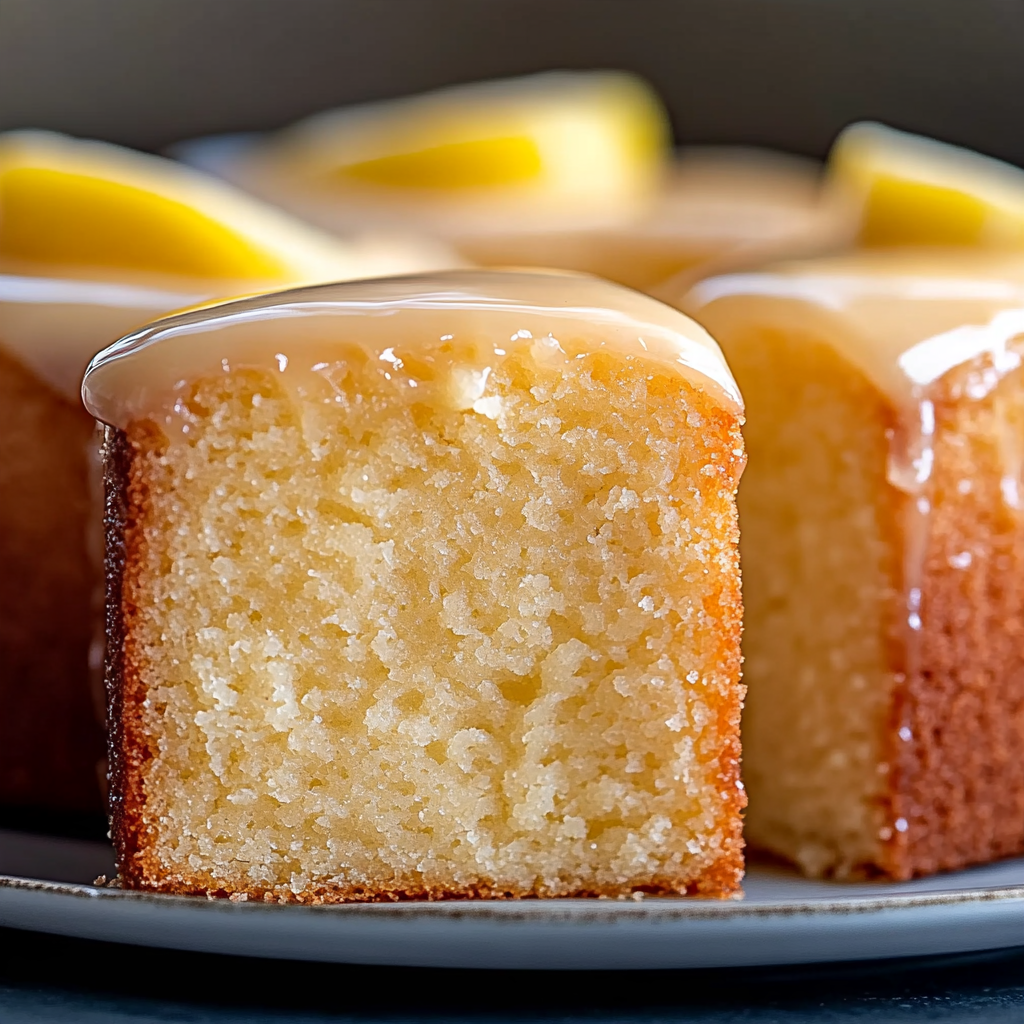
This Lemon Cream Cheese Pound Cake is a rich, buttery, incredibly moist cake filled with bright fresh lemon flavor and a delicious cream cheese richness. It has the classic dense yet tender texture you expect from a traditional pound cake, while fresh lemon zest and lemon juice give every bite a refreshing citrus flavor.
Adding cream cheese to pound cake creates an exceptionally soft and moist crumb. The cream cheese also adds a subtle tanginess that balances the sweetness of the cake and makes the lemon flavor taste even brighter.
This Lemon Cream Cheese Pound Cake recipe is perfect for spring and summer gatherings, Easter, Mother’s Day, birthdays, afternoon tea, Sunday dinners, potlucks, brunches, holidays, or simply whenever you’re craving a homemade lemon dessert.
The cake is baked in a Bundt pan, giving it an elegant shape that looks beautiful with very little decorating. A simple homemade lemon glaze can be drizzled over the cooled cake, allowing the glaze to run down the sides and settle into the ridges of the cake.
For even more lemon flavor, use plenty of fresh lemon zest in the batter and fresh lemon juice in both the cake and glaze. The natural oils in the lemon zest provide an intense citrus aroma that bottled lemon flavoring cannot completely reproduce.
The cake is delicious on its own, but it can also be served with whipped cream, fresh berries, strawberries, blueberries, raspberries, or a scoop of vanilla ice cream.
If you’re searching for a moist lemon pound cake, a classic cream cheese pound cake, or an easy homemade lemon Bundt cake, this recipe is a wonderful choice. It produces a beautiful golden cake with a tender interior, rich buttery flavor, and plenty of fresh lemon brightness.
Ingredients
For the Lemon Cream Cheese Pound Cake
- 1 ½ cups unsalted butter, softened
- 8 ounces cream cheese, softened
- 3 cups granulated sugar
- 6 large eggs, room temperature
- 2 teaspoons pure vanilla extract
- 2 tablespoons fresh lemon zest
- 2 tablespoons fresh lemon juice
- 3 cups all-purpose flour
- ½ teaspoon baking powder
- ½ teaspoon salt
For the Lemon Glaze
- 2 cups powdered sugar
- 3–4 tablespoons fresh lemon juice
- 1 teaspoon finely grated lemon zest
- 1 tablespoon melted butter, optional
Optional Garnishes
- Fresh lemon zest
- Thin lemon slices
- Fresh berries
- Powdered sugar
- Whipped cream
- Mint leaves
Preparation
Step 1: Preheat the Oven
Preheat your oven to 325°F (165°C).
A slightly lower oven temperature helps the pound cake bake evenly and develop its characteristic dense, tender texture without becoming overly dark on the outside before the center is finished.
Step 2: Prepare the Bundt Pan
Generously grease a 10- to 12-cup Bundt pan with softened butter or baking spray.
Dust the inside lightly with flour, making sure to coat the ridges and center tube thoroughly.
Tap out any excess flour.
Properly preparing the Bundt pan is especially important because the cake is rich and moist and needs to release cleanly after baking.
Step 3: Prepare the Lemon
Wash and dry the lemons thoroughly.
Finely grate the yellow outer layer of the lemon to create fresh lemon zest.
Avoid grating too deeply into the white pith underneath because it can have a bitter taste.
Juice the lemons and strain out any seeds.
Fresh lemon zest and juice provide the best flavor for this Lemon Cream Cheese Pound Cake.
Step 4: Combine the Dry Ingredients
In a medium bowl, whisk together the all-purpose flour, baking powder, and salt.
Mix until evenly distributed.
Set the dry ingredients aside.
Step 5: Cream the Butter and Cream Cheese
Place the softened butter and cream cheese in a large mixing bowl.
Beat until smooth and creamy.
This usually takes approximately 2–3 minutes with an electric mixer.
Make sure there are no large lumps of cream cheese remaining.
Step 6: Add the Sugar
Gradually add the granulated sugar to the butter and cream cheese mixture.
Continue beating for approximately 3–5 minutes, until the mixture becomes lighter, creamy, and fluffy.
Properly creaming the butter, cream cheese, and sugar helps create a tender texture and contributes to the cake’s structure.
Step 7: Add the Eggs
Add the eggs one at a time.
Beat well after each addition, scraping down the sides of the bowl as necessary.
Adding the eggs gradually helps maintain a smooth batter.
If the mixture looks slightly curdled after adding the eggs, don’t worry. It will come together when the flour is added.
Step 8: Add Vanilla and Lemon
Add the vanilla extract, fresh lemon zest, and fresh lemon juice.
Mix until evenly incorporated.
The lemon zest is particularly important because it contains concentrated citrus oils that give the cake its beautiful lemon aroma.
Step 9: Add the Dry Ingredients
Gradually add the flour mixture to the wet ingredients.
Mix on low speed just until the flour disappears.
Do not overmix the batter.
Overmixing can develop too much gluten and make the pound cake tougher than desired.
Step 10: Transfer the Batter to the Bundt Pan
Pour the batter evenly into the prepared Bundt pan.
Use a spatula to gently smooth the surface.
Tap the pan lightly against the counter once or twice to remove any large air pockets.
Step 11: Bake
Place the Bundt pan in the preheated oven.
Bake for approximately 75–90 minutes, depending on your oven and the exact size of your pan.
Begin checking the cake around the 70-minute mark.
The cake is ready when a long wooden skewer or cake tester inserted into the thickest part comes out with a few moist crumbs but no wet batter.
The top should be golden brown and the cake should feel firm when lightly touched.
Step 12: Cool the Cake
Remove the cake from the oven and place the Bundt pan on a wire rack.
Allow the cake to cool in the pan for approximately 15–20 minutes.
Do not attempt to remove it immediately because the cake can be fragile while extremely hot.
Step 13: Release the Cake
Carefully loosen the edges of the cake with a thin spatula or butter knife if necessary.
Place a serving plate over the Bundt pan.
Invert the pan carefully and allow the cake to release onto the plate.
Let the cake cool completely before adding the glaze.
Step 14: Prepare the Lemon Glaze
In a small bowl, whisk together the powdered sugar and fresh lemon juice.
Add lemon juice gradually until the glaze reaches your desired consistency.
Add lemon zest for extra citrus flavor.
For a richer glaze, add a tablespoon of melted butter.
Step 15: Glaze the Cake
Once the cake is completely cooled, drizzle the lemon glaze slowly over the top.
Allow the glaze to naturally flow down the sides and into the ridges of the Bundt cake.
For a thicker glaze, use less lemon juice.
For a thinner drizzle, add a little more lemon juice.
Step 16: Garnish and Serve
Finish with fresh lemon zest, thin lemon slices, or fresh berries if desired.
Slice the cake using a sharp serrated knife and serve.
Variation
Extra Lemon Cream Cheese Pound Cake
Increase the lemon zest slightly for an even stronger natural lemon flavor.
Lemon Blueberry Cream Cheese Pound Cake
Fold fresh or frozen blueberries gently into the batter before transferring it to the Bundt pan.
Blueberries and lemon make a classic flavor combination.
Lemon Raspberry Pound Cake
Serve slices with fresh raspberries or gently fold raspberries into the batter.
Lemon Coconut Pound Cake
Add shredded sweetened or unsweetened coconut to the batter for a tropical variation.
Lemon Poppy Seed Pound Cake
Add 1–2 tablespoons poppy seeds to the batter for classic lemon poppy seed flavor and texture.
Strawberry Lemon Pound Cake
Serve slices with fresh strawberries and whipped cream for a beautiful spring or summer dessert.
Lemon Glazed Pound Cake
Skip the heavier toppings and use a simple lemon glaze made with powdered sugar and fresh lemon juice.
Lemon Vanilla Cream Cheese Pound Cake
Add additional vanilla extract or vanilla bean paste for a softer vanilla flavor that complements the lemon.
Lemon Almond Pound Cake
Add a small amount of almond extract and sliced almonds for a subtle nutty variation.
COOKING Note :
For the best Lemon Cream Cheese Pound Cake, make sure the butter, cream cheese, and eggs are at room temperature.
Room-temperature ingredients combine more easily and help create a smooth, uniform batter.
Do not overmix once the flour has been added. Mix only until the dry ingredients are incorporated.
Bundt pans vary considerably in shape and size, so baking time can vary. Start checking the cake toward the end of the recommended baking time rather than relying only on the clock.
The cake should be fully baked in the center before removing it from the oven.
Allow the cake to cool in the pan for approximately 15–20 minutes before turning it out. If you leave it in the pan too long, condensation can make the outside slightly damp; if you turn it out immediately, the cake may break.
Fresh lemon zest provides much more intense lemon aroma than lemon juice alone. For the strongest natural lemon flavor, use both zest and fresh juice.
Make sure you only zest the yellow outer skin of the lemon and avoid the white pith.
If the top of the cake becomes too dark before the center is finished, loosely tent it with aluminum foil during the final part of baking.
Serving Suggestions :
With Fresh Berries
Serve slices with strawberries, blueberries, blackberries, or raspberries.
With Whipped Cream
Add a spoonful of lightly sweetened whipped cream for a simple elegant dessert.
With Vanilla Ice Cream
A scoop of vanilla ice cream pairs beautifully with the rich lemon cake.
With Lemon Curd
Serve each slice with a spoonful of homemade or store-bought lemon curd for extra citrus flavor.
With Fresh Strawberries
Strawberries and lemon create a bright combination that is perfect for spring and summer.
With Coffee
This moist lemon pound cake is excellent with coffee, cappuccino, espresso, or a vanilla latte.
With Tea
Serve thin slices alongside afternoon tea for an elegant dessert or snack.
Brunch Table
Arrange slices on a cake stand with fresh berries and lemon slices for a beautiful brunch presentation.
Holiday Dessert
Add powdered sugar, lemon zest, and fresh berries for a bright dessert table centerpiece.
Tips :
- Use room-temperature butter.
- Use room-temperature cream cheese.
- Bring eggs to room temperature before mixing.
- Use fresh lemons whenever possible.
- Zest lemons before juicing them.
- Avoid the bitter white pith when zesting.
- Measure flour accurately.
- Don’t overmix after adding the flour.
- Thoroughly grease and flour the Bundt pan.
- Make sure the Bundt pan is fully coated, especially around the center tube and ridges.
- Bake at the recommended lower temperature for an even crumb.
- Begin checking the cake near the end of the baking time.
- Use a long skewer to test the center.
- Don’t remove the cake from the oven while the center is still wet.
- Let the cake rest in the pan before turning it out.
- Cool completely before glazing.
- Add lemon juice gradually when making the glaze.
- Add extra lemon zest to the glaze for stronger citrus flavor.
- Drizzle glaze over completely cooled cake.
- Store leftovers tightly covered.
- Keep the cake at room temperature for short-term storage or refrigerate for longer storage.
- Allow refrigerated cake to come closer to room temperature before serving for the best texture.
Prep Time:
25 minutes
Cooking Time:
75–90 minutes
Cooling Time:
30 minutes
Total Time:
Approximately 2 hours 20 minutes
Nutritional Information :
Approximate values per serving, based on 16 slices and including a moderate amount of lemon glaze. Actual nutritional values vary according to ingredients, brands, serving size, and amount of glaze used.
Calories: Approximately 475
Protein: Approximately 6 g
Sodium: Approximately 250 mg
FAQs
What makes Lemon Cream Cheese Pound Cake so moist?
The combination of butter and cream cheese provides a rich, tender texture while helping the cake retain moisture. Proper baking also prevents the cake from becoming dry.
Can I use bottled lemon juice?
Fresh lemon juice is strongly recommended because it provides a brighter, more natural lemon flavor. Fresh lemon zest is also important for the cake’s citrus aroma.
Can I use salted butter?
Yes. If using salted butter, you may want to reduce or omit the additional salt in the recipe.
Should cream cheese be softened?
Yes. Softened cream cheese blends much more easily with the butter and sugar and helps prevent lumps in the batter.
Can I use low-fat cream cheese?
Full-fat cream cheese is recommended for the richest flavor and best pound-cake texture. Lower-fat versions may change the consistency.
Why did my pound cake crack on top?
A crack along the top of a pound cake is completely normal. Dense cakes often develop a crack as the batter rises and expands during baking.
Why is my pound cake dense?
Pound cake naturally has a dense, rich crumb. However, excessive mixing after adding flour, inaccurate flour measurement, or insufficient creaming can make it unnecessarily heavy.
Why is my cake dry?
Overbaking is one of the most common reasons. Begin checking the cake near the end of the recommended baking time and remove it once the center is fully baked but still moist.
Why did my cake stick to the Bundt pan?
The pan may not have been greased thoroughly enough. Make sure every ridge and the center tube are coated with butter or baking spray and lightly dusted with flour.
Can I use a loaf pan instead of a Bundt pan?
Yes, but the baking time will change. Use appropriately sized loaf pans and check the cake regularly near the end of baking.
Can I add blueberries?
Yes. Blueberries pair wonderfully with lemon. Gently fold them into the finished batter before baking.
Can I add poppy seeds?
Yes. Add approximately 1–2 tablespoons of poppy seeds for a classic lemon poppy seed variation.
Can I make this cake without the glaze?
Absolutely. The cake is delicious on its own. You can simply dust it with powdered sugar or serve it plain.
Can I make the lemon glaze thicker?
Yes. Use less lemon juice. Add the juice gradually until you reach the desired consistency.
Can I make the glaze thinner?
Yes. Add a little additional lemon juice until the glaze becomes easier to drizzle.
How do I get stronger lemon flavor?
Use plenty of fresh lemon zest and fresh lemon juice. You can also add additional lemon zest to the glaze.
Can I use lemon extract?
Yes. If desired, a small amount of lemon extract can intensify the citrus flavor, although fresh lemon zest and juice provide a more natural flavor.
Can I make Lemon Cream Cheese Pound Cake ahead of time?
Yes. This cake is excellent for make-ahead baking. Bake it a day before serving, allow it to cool completely, and store it tightly covered.
Glaze it shortly before serving for the freshest appearance.
How should I store Lemon Cream Cheese Pound Cake?
Store the cake tightly covered at room temperature for short-term storage. If keeping it longer, refrigerate it in an airtight container.
Can I freeze Lemon Cream Cheese Pound Cake?
Yes. Wrap the completely cooled, unglazed cake tightly in plastic wrap and then aluminum foil or place it in a freezer-safe container.
Freeze for up to approximately 2–3 months for best quality.
Thaw it in the refrigerator or at room temperature and add the glaze after thawing.
Should I freeze the cake with the glaze?
It is generally better to freeze the cake without the glaze. Add fresh glaze after the cake has thawed.
How long does Lemon Cream Cheese Pound Cake last?
Properly stored, the cake can remain fresh for several days. Refrigeration can extend its storage time, although the cake is often best at room temperature.
Can I use a different citrus fruit?
Yes. You can experiment with orange or lime zest and juice for a different citrus pound cake.
Can I add coconut?
Yes. Shredded coconut can be folded into the batter for a delicious lemon coconut variation.
Can I add nuts?
Yes. Chopped pecans, walnuts, or sliced almonds can be added for extra texture.
What should I serve with lemon pound cake?
Fresh berries, whipped cream, vanilla ice cream, lemon curd, powdered sugar, or additional lemon glaze all pair beautifully with this cake.
Why is fresh lemon zest important?
Lemon zest contains aromatic oils that provide concentrated citrus fragrance and flavor. It helps give the cake a much stronger lemon character than juice alone.
Can I make this recipe in advance for a party?
Yes. The cake can be baked one day ahead and stored tightly covered. Add the glaze and garnishes closer to serving time.
How do I get clean slices?
Allow the cake to cool completely before slicing. Use a sharp serrated or long cake knife and clean the blade between cuts when necessary.
Conclusion
This Lemon Cream Cheese Pound Cake is a rich, buttery, tender dessert with everything you want from a classic homemade pound cake and the bright, refreshing flavor of fresh lemon.
Cream cheese gives the cake a wonderfully moist crumb and subtle tanginess, while butter creates its rich texture and flavor. Fresh lemon zest and juice bring a vibrant citrus taste that balances the sweetness beautifully.
The simple lemon glaze adds another layer of fresh lemon flavor and gives the Bundt cake an elegant finish without requiring complicated decorating techniques.
For the best results, use room-temperature ingredients, fresh lemons, properly measured flour, and a thoroughly prepared Bundt pan. Avoid overmixing the batter after adding the flour, and allow the cake to cool before removing it from the pan.
This moist lemon pound cake is perfect for Easter, Mother’s Day, spring and summer gatherings, birthdays, brunches, Sunday dinners, afternoon tea, holidays, or any occasion that calls for a beautiful homemade dessert.
Serve each slice with fresh berries, whipped cream, vanilla ice cream, or lemon curd for an extra-special presentation. You can also customize the recipe with blueberries, raspberries, poppy seeds, coconut, pecans, or a stronger lemon glaze.
With its golden exterior, tender cream cheese crumb, buttery richness, and bright citrus flavor, this Lemon Cream Cheese Pound Cake is a classic homemade dessert that is just as beautiful on a celebration table as it is served with coffee on a quiet afternoon.
Print
Lemon Cream Cheese Pound Cake
- Total Time: 2 hours 20 minutes
Description
This Lemon Cream Cheese Pound Cake is a rich, buttery, incredibly moist cake filled with bright fresh lemon flavor and a delicious cream cheese richness. It has the classic dense yet tender texture you expect from a traditional pound cake, while fresh lemon zest and lemon juice give every bite a refreshing citrus flavor.
Ingredients
For the Lemon Cream Cheese Pound Cake
- 1 ½ cups unsalted butter, softened
- 8 ounces cream cheese, softened
- 3 cups granulated sugar
- 6 large eggs, room temperature
- 2 teaspoons pure vanilla extract
- 2 tablespoons fresh lemon zest
- 2 tablespoons fresh lemon juice
- 3 cups all-purpose flour
- ½ teaspoon baking powder
- ½ teaspoon salt
For the Lemon Glaze
- 2 cups powdered sugar
- 3–4 tablespoons fresh lemon juice
- 1 teaspoon finely grated lemon zest
- 1 tablespoon melted butter, optional
Optional Garnishes
- Fresh lemon zest
- Thin lemon slices
- Fresh berries
- Powdered sugar
- Whipped cream
- Mint leaves
Instructions
Preheat your oven to 325°F (165°C).
A slightly lower oven temperature helps the pound cake bake evenly and develop its characteristic dense, tender texture without becoming overly dark on the outside before the center is finished.
Generously grease a 10- to 12-cup Bundt pan with softened butter or baking spray.
Dust the inside lightly with flour, making sure to coat the ridges and center tube thoroughly.
Tap out any excess flour.
Properly preparing the Bundt pan is especially important because the cake is rich and moist and needs to release cleanly after baking.
Wash and dry the lemons thoroughly.
Finely grate the yellow outer layer of the lemon to create fresh lemon zest.
Avoid grating too deeply into the white pith underneath because it can have a bitter taste.
Juice the lemons and strain out any seeds.
Fresh lemon zest and juice provide the best flavor for this Lemon Cream Cheese Pound Cake.
In a medium bowl, whisk together the all-purpose flour, baking powder, and salt.
Mix until evenly distributed.
Set the dry ingredients aside.
Place the softened butter and cream cheese in a large mixing bowl.
Beat until smooth and creamy.
This usually takes approximately 2–3 minutes with an electric mixer.
Make sure there are no large lumps of cream cheese remaining.
Gradually add the granulated sugar to the butter and cream cheese mixture.
Continue beating for approximately 3–5 minutes, until the mixture becomes lighter, creamy, and fluffy.
Properly creaming the butter, cream cheese, and sugar helps create a tender texture and contributes to the cake’s structure.
Add the eggs one at a time.
Beat well after each addition, scraping down the sides of the bowl as necessary.
Adding the eggs gradually helps maintain a smooth batter.
If the mixture looks slightly curdled after adding the eggs, don’t worry. It will come together when the flour is added.
Add the vanilla extract, fresh lemon zest, and fresh lemon juice.
Mix until evenly incorporated.
The lemon zest is particularly important because it contains concentrated citrus oils that give the cake its beautiful lemon aroma.
Gradually add the flour mixture to the wet ingredients.
Mix on low speed just until the flour disappears.
Do not overmix the batter.
Overmixing can develop too much gluten and make the pound cake tougher than desired.
Pour the batter evenly into the prepared Bundt pan.
Use a spatula to gently smooth the surface.
Tap the pan lightly against the counter once or twice to remove any large air pockets.
Place the Bundt pan in the preheated oven.
Bake for approximately 75–90 minutes, depending on your oven and the exact size of your pan.
Begin checking the cake around the 70-minute mark.
The cake is ready when a long wooden skewer or cake tester inserted into the thickest part comes out with a few moist crumbs but no wet batter.
The top should be golden brown and the cake should feel firm when lightly touched.
Remove the cake from the oven and place the Bundt pan on a wire rack.
Allow the cake to cool in the pan for approximately 15–20 minutes.
Do not attempt to remove it immediately because the cake can be fragile while extremely hot.
Carefully loosen the edges of the cake with a thin spatula or butter knife if necessary.
Place a serving plate over the Bundt pan.
Invert the pan carefully and allow the cake to release onto the plate.
Let the cake cool completely before adding the glaze.
In a small bowl, whisk together the powdered sugar and fresh lemon juice.
Add lemon juice gradually until the glaze reaches your desired consistency.
Add lemon zest for extra citrus flavor.
For a richer glaze, add a tablespoon of melted butter.
Once the cake is completely cooled, drizzle the lemon glaze slowly over the top.
Allow the glaze to naturally flow down the sides and into the ridges of the Bundt cake.
For a thicker glaze, use less lemon juice.
For a thinner drizzle, add a little more lemon juice.
Finish with fresh lemon zest, thin lemon slices, or fresh berries if desired.
Slice the cake using a sharp serrated knife and serve.
Notes
For the best Lemon Cream Cheese Pound Cake, make sure the butter, cream cheese, and eggs are at room temperature.
Room-temperature ingredients combine more easily and help create a smooth, uniform batter.
Do not overmix once the flour has been added. Mix only until the dry ingredients are incorporated.
Bundt pans vary considerably in shape and size, so baking time can vary. Start checking the cake toward the end of the recommended baking time rather than relying only on the clock.
The cake should be fully baked in the center before removing it from the oven.
Allow the cake to cool in the pan for approximately 15–20 minutes before turning it out. If you leave it in the pan too long, condensation can make the outside slightly damp; if you turn it out immediately, the cake may break.
Fresh lemon zest provides much more intense lemon aroma than lemon juice alone. For the strongest natural lemon flavor, use both zest and fresh juice.
Make sure you only zest the yellow outer skin of the lemon and avoid the white pith.
If the top of the cake becomes too dark before the center is finished, loosely tent it with aluminum foil during the final part of baking.
- Prep Time: 25 minutes
- Cook Time: 75–90 minutes
Nutrition
- Calories: 475
- Sodium: 250 mg
- Protein: 6 g