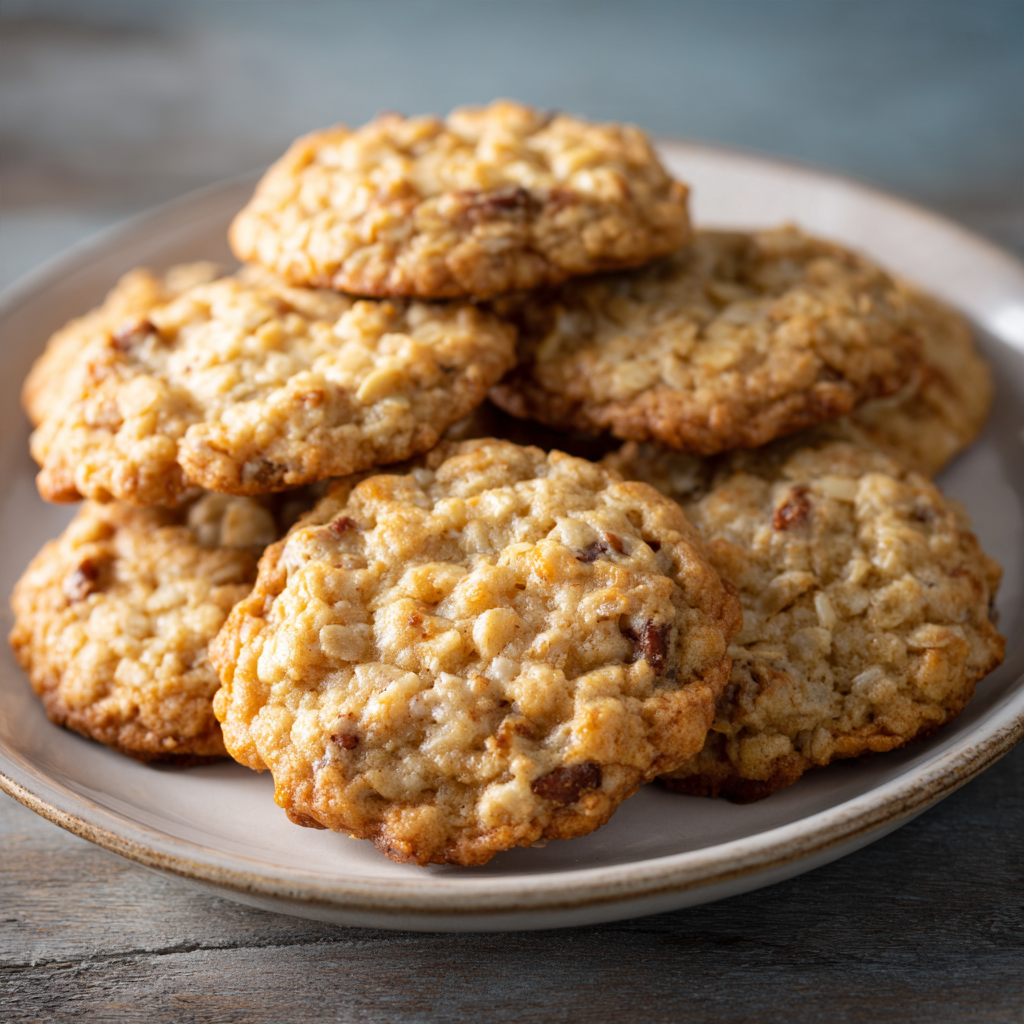
There is nothing quite like a batch of warm Chewy Oatmeal Cookies fresh from the oven. Soft in the center, lightly crisp around the edges, buttery, sweet, and filled with hearty old-fashioned oats, these homemade oatmeal cookies are the kind of classic dessert everyone loves.
This Chewy Oatmeal Cookies recipe is easy enough for a weeknight baking project but delicious enough to serve during holidays, family gatherings, bake sales, parties, or cookie exchanges. Brown sugar gives the cookies a rich caramel-like sweetness and helps create their soft, chewy texture, while a touch of cinnamon adds warm homemade flavor.
Unlike oatmeal cookies that become dry or crumbly, these soft oatmeal cookies are designed to stay tender and chewy in the middle. The key is using the right amount of oats, avoiding overmixing the dough, and baking the cookies just until the edges are lightly golden while the centers still look slightly soft.
You can enjoy these homemade oatmeal cookies plain, or customize them with raisins, chocolate chips, chopped pecans, walnuts, dried cranberries, or even shredded coconut. They are incredibly versatile and make a wonderful everyday cookie.
If you are looking for an easy, classic, and reliable cookie recipe, these Chewy Oatmeal Cookies are a perfect choice.
Ingredients
For the Chewy Oatmeal Cookies:
- 1 cup unsalted butter, softened
- 1 cup packed light brown sugar
- 1/2 cup granulated sugar
- 2 large eggs, room temperature
- 2 teaspoons pure vanilla extract
- 1 1/2 cups all-purpose flour
- 1 teaspoon baking soda
- 1/2 teaspoon salt
- 1 teaspoon ground cinnamon
- 3 cups old-fashioned rolled oats
- 1 cup raisins, optional
- 1/2 cup chopped pecans or walnuts, optional
Optional Add-Ins:
- 1 cup semi-sweet chocolate chips
- 1/2 cup white chocolate chips
- 1/2 cup dried cranberries
- 1/2 cup shredded sweetened coconut
- 1/2 teaspoon nutmeg
- A pinch of flaky sea salt for finishing
Preparation
Step 1: Prepare the Oven and Baking Sheets
Preheat your oven to 350°F (175°C).
Line two large baking sheets with parchment paper or silicone baking mats. This prevents the cookies from sticking and helps them bake evenly.
For the best results, make sure your oven is fully preheated before placing the cookie dough inside.
Step 2: Cream the Butter and Sugars
Place the softened butter, brown sugar, and granulated sugar in a large mixing bowl.
Using a hand mixer or stand mixer, beat the mixture for about 2–3 minutes, until it becomes light, creamy, and fluffy.
Properly creaming the butter and sugar helps create a tender cookie texture and allows the sugar to blend evenly throughout the dough.
Step 3: Add the Eggs and Vanilla
Add the eggs one at a time, mixing well after each addition.
Pour in the vanilla extract and mix until everything is smooth and well combined.
Scrape down the sides of the bowl as needed to make sure all the ingredients are incorporated evenly.
Step 4: Combine the Dry Ingredients
In a separate medium bowl, whisk together:
- All-purpose flour
- Baking soda
- Salt
- Ground cinnamon
Mix until the dry ingredients are evenly distributed.
This step helps prevent pockets of baking soda, salt, or cinnamon from appearing in the finished cookies.
Step 5: Add the Dry Ingredients to the Wet Mixture
Gradually add the dry ingredients to the butter mixture.
Mix on low speed just until the flour disappears.
Do not overmix the dough. Overmixing can develop too much gluten and result in oatmeal cookies that are tougher instead of soft and chewy.
Step 6: Add the Oats
Fold in the old-fashioned rolled oats using a sturdy spatula or wooden spoon.
Mix gently until the oats are evenly distributed throughout the dough.
If you are adding raisins, chocolate chips, dried cranberries, nuts, or coconut, fold them in at this stage.
Step 7: Chill the Dough
For thicker and chewier cookies, cover the bowl and refrigerate the dough for approximately 20–30 minutes.
Chilling is especially helpful if your kitchen is warm or your butter was very soft.
It also helps prevent the cookies from spreading too quickly in the oven.
Step 8: Scoop the Cookie Dough
Use a cookie scoop or tablespoon to portion the dough.
Place rounded balls of cookie dough onto the prepared baking sheets, leaving approximately 2 inches of space between each cookie.
The cookies will spread as they bake, so avoid placing the dough balls too close together.
Step 9: Bake the Cookies
Bake the cookies at 350°F (175°C) for approximately 9–12 minutes.
The edges should look lightly golden and set, while the centers should still appear slightly soft.
Do not wait until the centers look completely firm. The cookies will continue cooking from the residual heat after they come out of the oven.
Step 10: Let the Cookies Cool
Remove the baking sheet from the oven and let the cookies rest on the pan for about 5 minutes.
This allows the cookies to finish setting while keeping their centers soft and chewy.
After 5 minutes, carefully transfer them to a wire cooling rack.
Step 11: Repeat With the Remaining Dough
Continue scooping and baking the remaining dough until all of the cookies are finished.
For the most consistent results, try to make each cookie approximately the same size.
Step 12: Serve
Allow the cookies to cool completely or enjoy them slightly warm.
For an extra-special treat, serve a warm Chewy Oatmeal Cookie with a glass of cold milk, coffee, tea, or a scoop of vanilla ice cream.
Variations
Chocolate Chip Chewy Oatmeal Cookies
Replace the raisins with semi-sweet chocolate chips for a classic combination of chocolate and hearty oats.
Oatmeal Raisin Cookies
Add a full cup of raisins for a traditional chewy oatmeal raisin cookie. For especially plump raisins, soak them in warm water for 5–10 minutes, then drain and pat dry before adding them to the dough.
Oatmeal Pecan Cookies
Add chopped pecans for a buttery, crunchy contrast to the soft oatmeal cookie.
Cranberry Oatmeal Cookies
Use dried cranberries instead of raisins for a sweet and slightly tangy cookie with beautiful color.
Coconut Oatmeal Cookies
Add 1/2 cup of shredded coconut for a tropical twist and extra texture.
Chocolate Oatmeal Cookies
Add chocolate chips along with chopped walnuts or pecans for a rich and indulgent cookie.
Spiced Oatmeal Cookies
Increase the cinnamon slightly and add a small amount of nutmeg, ginger, or cloves for a warm fall-inspired flavor.
Oatmeal Sandwich Cookies
Spread vanilla buttercream or cream cheese frosting between two completely cooled oatmeal cookies for a delicious sandwich cookie.
COOKING Note:
For truly soft and chewy oatmeal cookies, avoid overbaking them. The edges should be set and lightly golden, but the centers should still look slightly underdone when you remove the cookies from the oven.
The cookies will firm up as they cool while retaining a soft, chewy center.
Old-fashioned rolled oats are recommended because they provide the best texture and hearty oatmeal flavor. Quick oats can be used, but they produce a softer and less textured cookie.
Make sure your butter is softened rather than melted. Melted butter can cause the cookies to spread more than expected.
If your dough seems very soft, refrigerate it for 30 minutes before baking.
Serving Suggestions:
Serve these Chewy Oatmeal Cookies with:
- A cold glass of milk
- Hot coffee
- Tea
- Hot chocolate
- Vanilla ice cream
- Caramel ice cream
- A scoop of cinnamon ice cream
- Fresh fruit
- Whipped cream
- Caramel sauce
- Chocolate sauce
For a simple dessert platter, arrange the oatmeal cookies with chocolate chip cookies, brownies, blondies, and other homemade treats.
They are also excellent for holiday cookie trays, school lunches, bake sales, family parties, afternoon snacks, and casual gatherings.
Tips:
- Use softened butter: Softened butter creams properly with the sugar and creates the right cookie texture.
- Do not melt the butter: Melted butter can make the cookies spread too much.
- Use old-fashioned oats: Rolled oats provide a hearty texture and help create thick, chewy cookies.
- Measure flour correctly: Too much flour can make oatmeal cookies dry and cakey. Spoon the flour into your measuring cup and level it off.
- Do not overmix: Mix the flour into the wet ingredients only until combined.
- Chill the dough: Refrigerating the dough helps create thicker cookies and reduces excessive spreading.
- Do not overbake: Slightly soft centers are exactly what you want for chewy oatmeal cookies.
- Let them cool on the pan: Giving the cookies several minutes on the baking sheet helps them finish setting.
- Use parchment paper: Parchment helps prevent sticking and makes cleanup easier.
- Make uniform cookies: A cookie scoop ensures that the cookies bake at the same rate.
- Add your favorite mix-ins: Chocolate chips, raisins, pecans, walnuts, cranberries, and coconut all work beautifully.
- Store properly: Keep completely cooled cookies in an airtight container to maintain their soft texture.
- Freeze the dough: Scoop the dough into portions and freeze the unbaked cookie dough balls. Bake from frozen, adding a couple of extra minutes to the baking time if needed.
- Freeze baked cookies: Completely cooled cookies can be frozen in an airtight freezer-safe container for longer storage.
Prep Time:
15 minutes
Chilling Time:
20–30 minutes
Cooking Time:
9–12 minutes per batch
Total Time:
Approximately 45–55 minutes
Nutritional Information:
Approximate per cookie, depending on cookie size and optional add-ins.
- Calories: 180–210 kcal
- Protein: 2–3 g
- Sodium: 90–130 mg
FAQs
Can I make Chewy Oatmeal Cookies without raisins?
Yes. Raisins are completely optional. You can leave them out or replace them with chocolate chips, dried cranberries, pecans, walnuts, or coconut.
Why are my oatmeal cookies not chewy?
Cookies can become less chewy when they contain too much flour or are baked too long. Measure the flour carefully and remove the cookies when the edges are set but the centers still look slightly soft.
Can I use quick oats instead of old-fashioned oats?
Yes, but the texture will be different. Old-fashioned rolled oats provide more texture and a heartier bite, while quick oats create a softer, more uniform cookie.
Should I chill oatmeal cookie dough?
Chilling is not always required, but it is highly recommended for thicker, chewier cookies. It helps solidify the butter and slows down spreading during baking.
How do I keep oatmeal cookies soft?
Store completely cooled cookies in an airtight container. Avoid leaving them exposed to air because they can dry out quickly.
Can I add chocolate chips?
Absolutely. Semi-sweet chocolate chips are an excellent addition to these chewy oatmeal cookies. You can also use milk chocolate, dark chocolate, or white chocolate chips.
Can I use salted butter?
Yes. If using salted butter, reduce or omit the additional salt in the recipe.
Can I freeze Chewy Oatmeal Cookies?
Yes. Baked cookies can be frozen in an airtight freezer-safe container. You can also freeze individual portions of unbaked cookie dough and bake them later.
Why did my oatmeal cookies spread too much?
The butter may have been too warm, the dough may not have been chilled enough, or the flour measurement may have been too low. Chilling the dough before baking usually helps reduce excessive spreading.
Can I make these cookies thicker?
Yes. Chill the dough for 30–60 minutes, scoop taller dough balls rather than very flat ones, and avoid pressing the dough down before baking.
How long do homemade oatmeal cookies last?
Stored in an airtight container at room temperature, homemade oatmeal cookies generally stay fresh for several days. For longer storage, freeze them.
Can I add nuts to this oatmeal cookie recipe?
Yes. Pecans and walnuts are especially delicious. Toasting the nuts first can add even more flavor and crunch.
Conclusion
These Chewy Oatmeal Cookies are a classic homemade treat with everything you want in a great oatmeal cookie: buttery flavor, warm cinnamon, hearty oats, lightly crisp edges, and a soft, chewy center.
The recipe is simple, versatile, and easy to customize with raisins, chocolate chips, pecans, walnuts, cranberries, or coconut. Whether you are baking for your family, preparing a holiday cookie tray, making an afternoon snack, or simply craving a warm homemade cookie, these Soft and Chewy Oatmeal Cookies are an excellent choice.
With the right baking time and a few simple techniques, you can make thick, tender, flavorful homemade oatmeal cookies that stay soft and delicious. Serve them warm with a glass of milk or your favorite hot drink, and enjoy a timeless cookie that is perfect for any occasion.
Print
Chewy Oatmeal Cookies Recipe
- Total Time: Approximately 45–55 minutes
Description
This Chewy Oatmeal Cookies recipe is easy enough for a weeknight baking project but delicious enough to serve during holidays, family gatherings, bake sales, parties, or cookie exchanges. Brown sugar gives the cookies a rich caramel-like sweetness and helps create their soft, chewy texture, while a touch of cinnamon adds warm homemade flavor.
Ingredients
For the Chewy Oatmeal Cookies:
- 1 cup unsalted butter, softened
- 1 cup packed light brown sugar
- 1/2 cup granulated sugar
- 2 large eggs, room temperature
- 2 teaspoons pure vanilla extract
- 1 1/2 cups all-purpose flour
- 1 teaspoon baking soda
- 1/2 teaspoon salt
- 1 teaspoon ground cinnamon
- 3 cups old-fashioned rolled oats
- 1 cup raisins, optional
- 1/2 cup chopped pecans or walnuts, optional
Optional Add-Ins:
- 1 cup semi-sweet chocolate chips
- 1/2 cup white chocolate chips
- 1/2 cup dried cranberries
- 1/2 cup shredded sweetened coconut
- 1/2 teaspoon nutmeg
- A pinch of flaky sea salt for finishing
Instructions
Step 1: Prepare the Oven and Baking Sheets
Preheat your oven to 350°F (175°C).
Line two large baking sheets with parchment paper or silicone baking mats. This prevents the cookies from sticking and helps them bake evenly.
For the best results, make sure your oven is fully preheated before placing the cookie dough inside.
Step 2: Cream the Butter and Sugars
Place the softened butter, brown sugar, and granulated sugar in a large mixing bowl.
Using a hand mixer or stand mixer, beat the mixture for about 2–3 minutes, until it becomes light, creamy, and fluffy.
Properly creaming the butter and sugar helps create a tender cookie texture and allows the sugar to blend evenly throughout the dough.
Step 3: Add the Eggs and Vanilla
Add the eggs one at a time, mixing well after each addition.
Pour in the vanilla extract and mix until everything is smooth and well combined.
Scrape down the sides of the bowl as needed to make sure all the ingredients are incorporated evenly.
Step 4: Combine the Dry Ingredients
In a separate medium bowl, whisk together:
- All-purpose flour
- Baking soda
- Salt
- Ground cinnamon
Mix until the dry ingredients are evenly distributed.
This step helps prevent pockets of baking soda, salt, or cinnamon from appearing in the finished cookies.
Step 5: Add the Dry Ingredients to the Wet Mixture
Gradually add the dry ingredients to the butter mixture.
Mix on low speed just until the flour disappears.
Do not overmix the dough. Overmixing can develop too much gluten and result in oatmeal cookies that are tougher instead of soft and chewy.
Step 6: Add the Oats
Fold in the old-fashioned rolled oats using a sturdy spatula or wooden spoon.
Mix gently until the oats are evenly distributed throughout the dough.
If you are adding raisins, chocolate chips, dried cranberries, nuts, or coconut, fold them in at this stage.
Step 7: Chill the Dough
For thicker and chewier cookies, cover the bowl and refrigerate the dough for approximately 20–30 minutes.
Chilling is especially helpful if your kitchen is warm or your butter was very soft.
It also helps prevent the cookies from spreading too quickly in the oven.
Step 8: Scoop the Cookie Dough
Use a cookie scoop or tablespoon to portion the dough.
Place rounded balls of cookie dough onto the prepared baking sheets, leaving approximately 2 inches of space between each cookie.
The cookies will spread as they bake, so avoid placing the dough balls too close together.
Step 9: Bake the Cookies
Bake the cookies at 350°F (175°C) for approximately 9–12 minutes.
The edges should look lightly golden and set, while the centers should still appear slightly soft.
Do not wait until the centers look completely firm. The cookies will continue cooking from the residual heat after they come out of the oven.
Step 10: Let the Cookies Cool
Remove the baking sheet from the oven and let the cookies rest on the pan for about 5 minutes.
This allows the cookies to finish setting while keeping their centers soft and chewy.
After 5 minutes, carefully transfer them to a wire cooling rack.
Step 11: Repeat With the Remaining Dough
Continue scooping and baking the remaining dough until all of the cookies are finished.
For the most consistent results, try to make each cookie approximately the same size.
Step 12: Serve
Allow the cookies to cool completely or enjoy them slightly warm.
For an extra-special treat, serve a warm Chewy Oatmeal Cookie with a glass of cold milk, coffee, tea, or a scoop of vanilla ice cream.
Notes
For truly soft and chewy oatmeal cookies, avoid overbaking them. The edges should be set and lightly golden, but the centers should still look slightly underdone when you remove the cookies from the oven.
The cookies will firm up as they cool while retaining a soft, chewy center.
Old-fashioned rolled oats are recommended because they provide the best texture and hearty oatmeal flavor. Quick oats can be used, but they produce a softer and less textured cookie.
Make sure your butter is softened rather than melted. Melted butter can cause the cookies to spread more than expected.
If your dough seems very soft, refrigerate it for 30 minutes before baking.
- Prep Time: 15 minutes
- Chilling Time: 20–30 minutes
- Cook Time: 9–12 minutes per batch
Nutrition
- Calories: 180–210 kcal
- Sodium: 90–130 mg
- Protein: 2–3 g