Kentucky Butter Cake is a classic Southern-style dessert known for its incredibly moist texture, rich buttery flavor, and irresistible vanilla butter glaze. Unlike an ordinary cake, this cake is finished with a warm butter sauce that is poured over the cake while it is still in the pan, allowing the sweet glaze to soak deep into the crumb.
The result is a cake that is tender, buttery, slightly crisp around the edges, and wonderfully moist in the center. As the cake cools, the butter glaze creates a delicate sugary crust on the outside while keeping the inside soft and flavorful.
This homemade Kentucky Butter Cake is perfect for holidays, family gatherings, Sunday dinners, potlucks, birthdays, afternoon coffee, or whenever you want an easy homemade dessert that tastes special. The ingredients are simple pantry staples, but the combination of butter, vanilla, sugar, and buttermilk creates an unforgettable Southern cake.
If you love classic pound cakes, vanilla cakes, or rich buttery desserts, this Kentucky Butter Cake recipe is one you will want to make again and again.
Ingredients
For the Kentucky Butter Cake
- 1 cup unsalted butter, softened
- 2 cups granulated sugar
- 4 large eggs, room temperature
- 2 teaspoons pure vanilla extract
- 1 teaspoon almond extract, optional
- 3 cups all-purpose flour
- 1 teaspoon baking powder
- 1/2 teaspoon baking soda
- 1/2 teaspoon salt
- 1 cup buttermilk, room temperature
For the Butter Glaze
- 1/2 cup unsalted butter
- 3/4 cup granulated sugar
- 1/4 cup water
- 2 teaspoons pure vanilla extract
- 1/2 teaspoon almond extract, optional
Optional Garnish
- Powdered sugar
- Fresh berries
- Whipped cream
- Vanilla ice cream
- Fresh strawberries or raspberries
Preparation
Step 1: Prepare the Oven and Bundt Pan
Preheat your oven to 325°F (165°C).
Generously grease a 10-inch Bundt pan with softened butter or baking spray. Make sure you carefully coat the center tube, edges, and all decorative grooves of the pan.
For extra insurance against sticking, lightly dust the greased pan with flour, then tap out any excess.
Because Kentucky Butter Cake is baked in a Bundt pan and the butter glaze is added while the cake is warm, properly preparing the pan is especially important.
Step 2: Cream the Butter and Sugar
Place the softened butter and granulated sugar in a large mixing bowl.
Beat with an electric mixer on medium speed for approximately 4–5 minutes, until the mixture becomes pale, fluffy, and creamy.
This step is important because properly creaming the butter and sugar helps create a lighter cake texture.
Scrape down the sides of the bowl occasionally to make sure everything is evenly incorporated.
Step 3: Add the Eggs and Vanilla
Add the eggs one at a time, mixing well after each addition.
Once all four eggs have been incorporated, add the vanilla extract and almond extract if using.
Mix just until combined.
Adding the eggs gradually helps the batter remain smooth and prevents the butter mixture from becoming separated.
Step 4: Combine the Dry Ingredients
In a separate medium bowl, whisk together:
- All-purpose flour
- Baking powder
- Baking soda
- Salt
Whisking the dry ingredients first helps distribute the leavening agents and salt evenly throughout the flour.
Step 5: Combine the Batter
Add approximately one-third of the dry ingredients to the butter mixture.
Mix on low speed until just combined.
Add half of the buttermilk and mix gently.
Continue alternating the dry ingredients and buttermilk, beginning and ending with the dry ingredients.
Do not overmix the batter. Mix only until the ingredients are incorporated and the batter looks smooth.
Step 6: Fill the Bundt Pan
Pour the batter evenly into the prepared Bundt pan.
Use a spatula to gently smooth the top.
Tap the pan lightly on the counter once or twice to help remove any large air pockets.
Step 7: Bake the Cake
Place the Bundt pan in the preheated oven.
Bake for approximately 60–70 minutes, or until a toothpick inserted into the thickest part of the cake comes out clean or with a few moist crumbs.
The exact baking time can vary depending on your oven and the shape of your Bundt pan.
Avoid opening the oven repeatedly during baking because this can cause the cake to lose heat.
Step 8: Prepare the Butter Glaze
While the cake is baking, prepare the glaze.
In a small saucepan, combine:
- Butter
- Granulated sugar
- Water
Heat over medium-low heat, stirring occasionally, until the butter melts and the sugar begins to dissolve.
Do not bring the mixture to a vigorous boil.
Remove the saucepan from the heat and stir in the vanilla extract and almond extract if using.
The glaze should be warm and pourable.
Step 9: Let the Cake Rest Briefly
When the cake is finished baking, remove it from the oven.
Allow it to cool in the Bundt pan for approximately 10 minutes.
Do not remove the cake from the pan yet.
This short resting period allows the cake to settle while remaining warm enough to absorb the butter glaze.
Step 10: Poke the Cake
Using a wooden skewer, toothpick, or the handle of a thin wooden spoon, carefully poke holes throughout the top of the cake.
Do not make the holes so large that the cake breaks apart.
Create plenty of small holes, especially around the center and outer edges, so the warm butter glaze can travel deep into the cake.
Step 11: Pour Over the Butter Glaze
Slowly spoon or pour the warm butter glaze over the cake while it is still inside the Bundt pan.
Take your time and allow the glaze to soak into the holes.
If some glaze collects around the edges of the pan, continue spooning it over the cake until most of it has been absorbed.
This is the signature step that makes Kentucky Butter Cake so rich, moist, and flavorful.
Step 12: Allow the Cake to Cool
Let the cake cool in the pan for approximately 30–45 minutes.
During this time, the butter glaze continues to soak into the cake and forms a delicious sugary coating.
Step 13: Release the Cake
Carefully run a thin knife around the outer edge and center tube of the Bundt pan if needed.
Place a serving plate upside down over the pan.
Carefully flip the cake onto the plate.
If the pan was properly greased, the cake should release beautifully.
Step 14: Cool Completely
Allow the Kentucky Butter Cake to cool completely before slicing.
As the cake cools, the outside develops a slightly crisp, sugary texture while the inside remains incredibly moist and tender.
Step 15: Slice and Serve
Use a sharp serrated or cake knife to cut the cake into slices.
Serve as-is for a classic Southern dessert, or add powdered sugar, whipped cream, fresh berries, or a scoop of vanilla ice cream.
Variation
Lemon Kentucky Butter Cake
Add 1–2 tablespoons of fresh lemon zest to the batter and replace part of the vanilla extract with fresh lemon juice. You can also add lemon juice and zest to the butter glaze for a bright citrus flavor.
Orange Butter Cake
Add fresh orange zest to the batter and use a little fresh orange juice in the glaze. This creates a fragrant and refreshing variation.
Chocolate Kentucky Butter Cake
Replace approximately 1/3 cup of the flour with unsweetened cocoa powder. Add chocolate chips for an extra-rich chocolate version.
Pecan Kentucky Butter Cake
Add 1 cup of finely chopped toasted pecans to the batter. Pecans pair beautifully with the buttery vanilla glaze and give the cake a classic Southern flavor.
Cinnamon Butter Cake
Add 1 teaspoon of ground cinnamon to the dry ingredients. For extra flavor, sprinkle a little cinnamon sugar into the Bundt pan before adding the batter.
Coconut Butter Cake
Add 1 cup of sweetened shredded coconut to the batter and use coconut extract together with the vanilla extract.
Brown Sugar Butter Cake
Replace part of the granulated sugar with light brown sugar for a deeper caramel-like flavor.
COOKING Note :
The most important secret to a delicious Kentucky Butter Cake is not overbaking it. The cake should be fully cooked but still moist and tender.
Use room-temperature butter, eggs, and buttermilk whenever possible. Room-temperature ingredients blend more evenly and help produce a smoother batter.
When preparing the glaze, do not boil it aggressively. The goal is to melt the butter and dissolve the sugar enough to create a smooth, pourable sauce.
Pour the glaze over the cake while the cake is still warm. This allows the butter mixture to penetrate the crumb and gives Kentucky Butter Cake its signature rich texture.
Allow the cake to cool before slicing. The texture becomes even better as the glaze settles.
Serving Suggestions :
Serve Kentucky Butter Cake with a simple dusting of powdered sugar for an elegant presentation.
For a classic Southern dessert plate, serve a warm slice with a scoop of vanilla ice cream. The cold, creamy ice cream pairs beautifully with the rich buttery cake.
Fresh strawberries, raspberries, blueberries, or blackberries also make excellent toppings.
For an afternoon dessert, serve the cake with coffee, tea, hot chocolate, or a glass of cold milk.
For holidays and family gatherings, arrange slices on a large cake platter and garnish with fresh berries and a light dusting of powdered sugar.
You can also warm individual slices for a few seconds before serving to bring out the buttery vanilla flavor.
Tips :
- Use room-temperature ingredients: Room-temperature eggs, butter, and buttermilk combine more easily.
- Cream the butter and sugar properly: Beat until light and fluffy for the best cake texture.
- Do not overmix: Once the flour is added, mix only until the ingredients are combined.
- Grease the Bundt pan thoroughly: Pay special attention to every groove and the center tube.
- Use a 10-inch Bundt pan: A smaller pan may cause the batter to overflow.
- Do not overbake: Check the cake near the end of the recommended baking time.
- Poke plenty of small holes: This helps the butter glaze soak throughout the cake.
- Add the glaze while warm: The cake absorbs the butter sauce much better while it is still warm.
- Pour the glaze slowly: Give it time to soak into the cake instead of pouring everything in one place.
- Let the cake rest before removing it: This helps the glaze settle and reduces the chance of breaking the cake.
- Cool completely before slicing: The texture becomes more stable as the cake cools.
- Toast pecans before adding them: Toasting brings out their natural flavor and makes the cake even more delicious.
- Use pure vanilla extract: Vanilla is one of the main flavors in this cake, so quality vanilla makes a noticeable difference.
- Store leftovers properly: Keep the cake covered at room temperature for a couple of days or refrigerate for longer storage.
- Make it ahead: Kentucky Butter Cake often tastes even better the next day because the butter glaze has more time to soak into the cake.
Prep Time:
20 minutes
Cooking Time:
60–70 minutes
Total Time:
Approximately 1 hour 30 minutes
Nutritional Information :
Approximate nutrition per slice, based on 12 servings:
- Calories: Approximately 480
- Protein: Approximately 5g
- Sodium: Approximately 300mg
Nutritional values are estimates and may vary depending on the exact ingredients, brands, serving size, and amount of glaze absorbed by the cake.
FAQs
What is Kentucky Butter Cake?
Kentucky Butter Cake is a rich, moist Southern-style cake made with butter, sugar, eggs, flour, buttermilk, and vanilla. It is finished with a warm butter-sugar glaze that is poured over the cake while it is still warm.
Why is Kentucky Butter Cake so moist?
The warm butter glaze is poured over the freshly baked cake and allowed to soak into the crumb. This creates the exceptionally moist and rich texture that Kentucky Butter Cake is known for.
Can I make Kentucky Butter Cake without buttermilk?
Yes. If you do not have buttermilk, you can make a simple substitute by adding about 1 tablespoon of lemon juice or white vinegar to a measuring cup and adding enough milk to reach 1 cup. Let it sit for about 5–10 minutes before using.
Can I make this cake in a regular cake pan?
A Bundt pan is ideal because it allows the cake to bake evenly and provides plenty of surface area for the butter glaze. You can use other pans, but the baking time will need to be adjusted.
Can I use salted butter?
Yes, but if you use salted butter, reduce or omit some of the added salt in the recipe.
Why did my Kentucky Butter Cake stick to the pan?
Bundt cakes can stick when the pan is not thoroughly greased, especially in the decorative grooves. Generously grease and flour the entire pan before adding the batter.
Can I add pecans?
Absolutely. Chopped pecans are an excellent addition and give the cake a delicious Southern-inspired flavor and texture.
Can I make Kentucky Butter Cake ahead of time?
Yes. This cake is an excellent make-ahead dessert. In fact, the flavor and texture can become even better after resting because the butter glaze continues to settle into the cake.
How should I store Kentucky Butter Cake?
Store the cooled cake tightly covered at room temperature for a couple of days. For longer storage, refrigerate it in an airtight container.
Can I freeze Kentucky Butter Cake?
Yes. Allow the cake to cool completely, wrap it tightly in plastic wrap, and place it in a freezer-safe container or bag. Freeze for up to about 3 months. Thaw in the refrigerator or at room temperature before serving.
Can I freeze individual slices?
Yes. Slice the completely cooled cake and wrap each piece individually before placing the slices in a freezer-safe container. This makes it easy to thaw only the amount you need.
How do I make the cake extra flavorful?
Using high-quality vanilla extract, fresh butter, buttermilk, and optional almond extract will give the cake a rich and classic flavor. Adding toasted pecans or citrus zest can also create a delicious variation.
Can I serve Kentucky Butter Cake warm?
Yes. Warm slices are especially delicious with vanilla ice cream. The buttery cake becomes soft and fragrant when gently warmed.
Conclusion
Kentucky Butter Cake is the perfect example of how simple ingredients can create an unforgettable homemade dessert. With its rich buttery crumb, delicate vanilla flavor, and sweet butter glaze that soaks deep into every slice, this classic Southern cake is incredibly satisfying.
The combination of butter, buttermilk, vanilla, and sugar creates a tender cake with a slightly crisp, sugary exterior and a soft, moist center. Whether you serve it with powdered sugar, fresh berries, whipped cream, or vanilla ice cream, this Kentucky Butter Cake is sure to become a family favorite.
It is an excellent dessert for holidays, potlucks, Sunday dinners, birthdays, celebrations, or simply when you are craving an old-fashioned homemade butter cake. Once you make this easy Kentucky Butter Cake recipe, you will understand why rich, buttery Bundt cakes remain a beloved Southern classic.
Print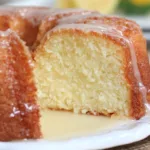
Kentucky Butter Cake Recipe
- Total Time: 1 hour 30 minutes
Description
Kentucky Butter Cake is a classic Southern-style dessert known for its incredibly moist texture, rich buttery flavor, and irresistible vanilla butter glaze. Unlike an ordinary cake, this cake is finished with a warm butter sauce that is poured over the cake while it is still in the pan, allowing the sweet glaze to soak deep into the crumb.
Ingredients
For the Kentucky Butter Cake
- 1 cup unsalted butter, softened
- 2 cups granulated sugar
- 4 large eggs, room temperature
- 2 teaspoons pure vanilla extract
- 1 teaspoon almond extract, optional
- 3 cups all-purpose flour
- 1 teaspoon baking powder
- 1/2 teaspoon baking soda
- 1/2 teaspoon salt
- 1 cup buttermilk, room temperature
For the Butter Glaze
- 1/2 cup unsalted butter
- 3/4 cup granulated sugar
- 1/4 cup water
- 2 teaspoons pure vanilla extract
- 1/2 teaspoon almond extract, optional
Optional Garnish
- Powdered sugar
- Fresh berries
- Whipped cream
- Vanilla ice cream
- Fresh strawberries or raspberries
Instructions
Step 1: Prepare the Oven and Bundt Pan
Preheat your oven to 325°F (165°C).
Generously grease a 10-inch Bundt pan with softened butter or baking spray. Make sure you carefully coat the center tube, edges, and all decorative grooves of the pan.
For extra insurance against sticking, lightly dust the greased pan with flour, then tap out any excess.
Because Kentucky Butter Cake is baked in a Bundt pan and the butter glaze is added while the cake is warm, properly preparing the pan is especially important.
Step 2: Cream the Butter and Sugar
Place the softened butter and granulated sugar in a large mixing bowl.
Beat with an electric mixer on medium speed for approximately 4–5 minutes, until the mixture becomes pale, fluffy, and creamy.
This step is important because properly creaming the butter and sugar helps create a lighter cake texture.
Scrape down the sides of the bowl occasionally to make sure everything is evenly incorporated.
Step 3: Add the Eggs and Vanilla
Add the eggs one at a time, mixing well after each addition.
Once all four eggs have been incorporated, add the vanilla extract and almond extract if using.
Mix just until combined.
Adding the eggs gradually helps the batter remain smooth and prevents the butter mixture from becoming separated.
Step 4: Combine the Dry Ingredients
In a separate medium bowl, whisk together:
- All-purpose flour
- Baking powder
- Baking soda
- Salt
Whisking the dry ingredients first helps distribute the leavening agents and salt evenly throughout the flour.
Step 5: Combine the Batter
Add approximately one-third of the dry ingredients to the butter mixture.
Mix on low speed until just combined.
Add half of the buttermilk and mix gently.
Continue alternating the dry ingredients and buttermilk, beginning and ending with the dry ingredients.
Do not overmix the batter. Mix only until the ingredients are incorporated and the batter looks smooth.
Step 6: Fill the Bundt Pan
Pour the batter evenly into the prepared Bundt pan.
Use a spatula to gently smooth the top.
Tap the pan lightly on the counter once or twice to help remove any large air pockets.
Step 7: Bake the Cake
Place the Bundt pan in the preheated oven.
Bake for approximately 60–70 minutes, or until a toothpick inserted into the thickest part of the cake comes out clean or with a few moist crumbs.
The exact baking time can vary depending on your oven and the shape of your Bundt pan.
Avoid opening the oven repeatedly during baking because this can cause the cake to lose heat.
Step 8: Prepare the Butter Glaze
While the cake is baking, prepare the glaze.
In a small saucepan, combine:
- Butter
- Granulated sugar
- Water
Heat over medium-low heat, stirring occasionally, until the butter melts and the sugar begins to dissolve.
Do not bring the mixture to a vigorous boil.
Remove the saucepan from the heat and stir in the vanilla extract and almond extract if using.
The glaze should be warm and pourable.
Step 9: Let the Cake Rest Briefly
When the cake is finished baking, remove it from the oven.
Allow it to cool in the Bundt pan for approximately 10 minutes.
Do not remove the cake from the pan yet.
This short resting period allows the cake to settle while remaining warm enough to absorb the butter glaze.
Step 10: Poke the Cake
Using a wooden skewer, toothpick, or the handle of a thin wooden spoon, carefully poke holes throughout the top of the cake.
Do not make the holes so large that the cake breaks apart.
Create plenty of small holes, especially around the center and outer edges, so the warm butter glaze can travel deep into the cake.
Step 11: Pour Over the Butter Glaze
Slowly spoon or pour the warm butter glaze over the cake while it is still inside the Bundt pan.
Take your time and allow the glaze to soak into the holes.
If some glaze collects around the edges of the pan, continue spooning it over the cake until most of it has been absorbed.
This is the signature step that makes Kentucky Butter Cake so rich, moist, and flavorful.
Step 12: Allow the Cake to Cool
Let the cake cool in the pan for approximately 30–45 minutes.
During this time, the butter glaze continues to soak into the cake and forms a delicious sugary coating.
Step 13: Release the Cake
Carefully run a thin knife around the outer edge and center tube of the Bundt pan if needed.
Place a serving plate upside down over the pan.
Carefully flip the cake onto the plate.
If the pan was properly greased, the cake should release beautifully.
Step 14: Cool Completely
Allow the Kentucky Butter Cake to cool completely before slicing.
As the cake cools, the outside develops a slightly crisp, sugary texture while the inside remains incredibly moist and tender.
Step 15: Slice and Serve
Use a sharp serrated or cake knife to cut the cake into slices.
Serve as-is for a classic Southern dessert, or add powdered sugar, whipped cream, fresh berries, or a scoop of vanilla ice cream.
Notes
The most important secret to a delicious Kentucky Butter Cake is not overbaking it. The cake should be fully cooked but still moist and tender.
Use room-temperature butter, eggs, and buttermilk whenever possible. Room-temperature ingredients blend more evenly and help produce a smoother batter.
When preparing the glaze, do not boil it aggressively. The goal is to melt the butter and dissolve the sugar enough to create a smooth, pourable sauce.
Pour the glaze over the cake while the cake is still warm. This allows the butter mixture to penetrate the crumb and gives Kentucky Butter Cake its signature rich texture.
Allow the cake to cool before slicing. The texture becomes even better as the glaze settles.
- Prep Time: 20 minutes
- Cook Time: 60–70 minutes
Nutrition
- Calories: 480
- Sodium: 300mg
- Protein: 5g
