Introduction
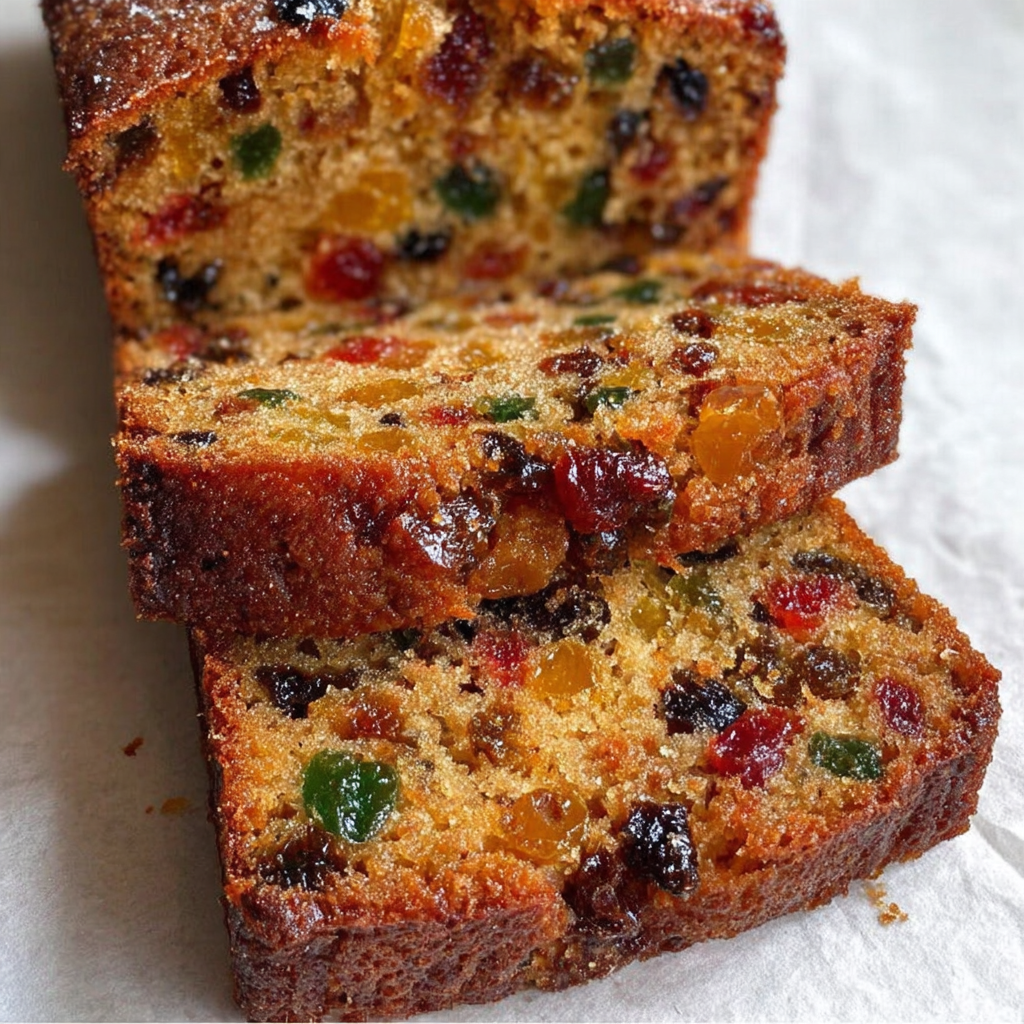
There is something wonderfully nostalgic about a classic Christmas Fruitcake. Packed with colorful dried fruit, crunchy nuts, warm spices, and a rich buttery cake, this traditional holiday dessert is made for sharing around a crowded Christmas table.
Unlike a dry or overly dense fruitcake, this homemade version is moist, tender, and full of flavor. The dried fruit adds natural sweetness and chewiness, while pecans or walnuts provide a satisfying crunch. Cinnamon, nutmeg, and cloves give the cake that unmistakable holiday aroma that fills the kitchen while it bakes.
Christmas fruitcake is also one of those desserts that can be prepared ahead of time, making it especially useful during the busy holiday season. In fact, allowing the cake to rest for a day or two can give the flavors even more time to develop.
Whether you’re baking for Christmas morning, a holiday dinner, a cookie exchange, or a family gathering, this fruitcake makes a beautiful centerpiece. It also pairs wonderfully with coffee, tea, or a scoop of vanilla ice cream.
Ingredients
For the Fruit Mixture
- 2 cups mixed dried fruit
- 1 cup raisins
- 1 cup dried cranberries
- ½ cup chopped dried apricots
- ½ cup candied cherries
- ½ cup candied orange peel
- ½ cup orange juice
- 1 teaspoon vanilla extract
For the Cake Batter
- 1 cup unsalted butter, softened
- 1 cup granulated sugar
- ½ cup packed brown sugar
- 4 large eggs
- 2 teaspoons vanilla extract
- 2 ½ cups all-purpose flour
- 1 teaspoon baking powder
- ½ teaspoon baking soda
- 1 teaspoon ground cinnamon
- ½ teaspoon ground nutmeg
- ¼ teaspoon ground cloves
- ½ teaspoon salt
- ½ cup whole milk
- 1 cup chopped pecans or walnuts
For Finishing
- 2 tablespoons orange juice or apple juice
- ¼ cup apricot preserves, optional
- Powdered sugar, optional
- Additional candied cherries and nuts for decoration
Preparation
Step 1: Prepare the Fruit
Place the mixed dried fruit, raisins, dried cranberries, dried apricots, candied cherries, and candied orange peel in a medium saucepan.
Pour in the orange juice and warm the mixture over low heat for approximately 5 minutes.
Do not bring it to a vigorous boil. The goal is simply to warm the fruit and allow it to absorb some of the citrus flavor.
Remove the saucepan from the heat and stir in the vanilla extract.
Let the fruit mixture cool for at least 20 to 30 minutes.
For an even more flavorful fruitcake, you can prepare the fruit mixture several hours ahead and let it soak covered in the refrigerator.
Step 2: Prepare the Cake Batter
Preheat your oven to 325°F.
Grease a 9-inch loaf pan or 10-inch tube pan thoroughly. Line the bottom with parchment paper for easier removal.
In a large mixing bowl, beat the softened butter, granulated sugar, and brown sugar until light and creamy.
Add the eggs one at a time, mixing well after each addition. Stir in the vanilla extract.
In a separate bowl, whisk together the flour, baking powder, baking soda, cinnamon, nutmeg, cloves, and salt.
Gradually add the dry ingredients to the butter mixture, alternating with the milk.
Mix just until combined. Avoid overmixing the batter.
Step 3: Add the Fruit and Nuts
Gently fold the cooled fruit mixture into the cake batter.
Add the chopped pecans or walnuts and fold until evenly distributed.
The batter will be quite thick. That’s normal for fruitcake because it needs to support a large amount of fruit and nuts.
Make sure the fruit and nuts are distributed throughout the batter rather than concentrated in one area.
Step 4: Bake the Fruitcake
Transfer the batter to the prepared pan and spread the top evenly.
Decorate the surface with additional candied cherries and nuts if desired.
Place the pan in the center of the preheated oven.
Bake for approximately 1 hour 20 minutes to 1 hour 40 minutes, depending on the size and shape of your pan.
Begin checking around the 75-minute mark.
The cake is ready when a toothpick inserted into the center comes out mostly clean with only a few moist crumbs.
If the top begins browning too quickly, loosely cover the cake with aluminum foil during the final portion of baking.
Step 5: Cool and Finish
Remove the fruitcake from the oven and allow it to cool in the pan for approximately 15 to 20 minutes.
Carefully transfer it to a wire rack and allow it to cool completely.
For extra moisture and citrus flavor, brush the cooled cake lightly with orange juice or apple juice.
You can also warm the apricot preserves and brush them over the top for a glossy finish.
Once completely cool, wrap the fruitcake tightly in parchment paper followed by aluminum foil.
For the best flavor, let the cake rest for at least 24 hours before serving.
Variations
Traditional Nut Fruitcake
Use a combination of pecans, walnuts, and almonds for a classic texture with plenty of crunch.
Citrus Christmas Fruitcake
Increase the candied orange peel and add a little grated orange zest to the batter for a brighter citrus flavor.
Cherry Fruitcake
Add additional red and green candied cherries for a colorful holiday presentation.
Tropical Fruitcake
Replace some of the dried fruit with chopped dried pineapple, mango, or coconut.
Chocolate Fruitcake
Add ½ cup mini chocolate chips to the batter for a modern twist on the traditional holiday dessert.
Alcohol-Free Fruitcake
This recipe is already suitable for an alcohol-free version because it uses orange juice instead of alcohol. Apple juice can also be used for a softer, sweeter flavor.
Gluten-Free Fruitcake
Use a high-quality 1-to-1 gluten-free baking flour designed to replace all-purpose flour. Check the labels of your dried fruit and candied ingredients as well.
Cooking Notes
The quality of the dried fruit makes a noticeable difference in the finished cake. Choose fruit that is soft and flavorful rather than extremely dry.
Soaking the fruit briefly in warm orange juice helps prevent it from stealing moisture from the cake batter.
Don’t cut the fruitcake while it is still hot. The cake needs time to cool and set, especially because it contains a generous amount of fruit and nuts.
A heavy baking pan can help distribute heat more evenly. Good kitchenware is particularly useful for dense cakes because uneven heating can cause the edges to become dry before the center is finished.
If you use a dark-colored pan, check the cake slightly earlier because dark pans generally brown the outside more quickly.
For a traditional holiday appearance, decorate the top with colorful candied cherries, orange peel, and pecans before baking.
Serving Suggestions
Slice the fruitcake thinly because it is rich and packed with fruit and nuts.
Serve each slice with a cup of coffee, black tea, hot chocolate, or your favorite holiday drink.
For a more indulgent dessert, warm a slice slightly and serve it with vanilla ice cream.
A small spoonful of whipped cream or a drizzle of warm caramel sauce also works beautifully.
Christmas fruitcake makes an excellent addition to a holiday dessert table alongside Christmas cookies, gingerbread, pumpkin pie, and other traditional favorites.
If you’re preparing several holiday desserts, consider making the fruitcake a few days ahead. This gives you one less dessert to worry about during the busiest part of the holiday season.
When buying baking ingredients, look for grocery deals on butter, dried fruit, nuts, flour, and holiday baking supplies. Stocking up before Christmas can make large-scale holiday baking considerably easier.
Tips for the Best Christmas Fruitcake
- Soak the fruit: Warm orange juice makes dried fruit softer and more flavorful.
- Use room-temperature ingredients: Butter and eggs blend more evenly.
- Don’t overmix: Mix only until the flour disappears.
- Use plenty of fruit: The fruit is the star of this cake.
- Toast the nuts: Lightly toasted pecans or walnuts provide deeper flavor.
- Watch the oven: Dense fruitcakes need longer baking times but should not be overbaked.
- Cover the top if necessary: Aluminum foil prevents excessive browning.
- Cool completely: This helps the cake firm up before slicing.
- Let it rest: The flavors become more developed after a day or two.
- Wrap tightly: Proper storage helps maintain moisture.
- Use a serrated knife: It makes slicing the fruit and nuts easier.
- Measure carefully: Accurate measurements are particularly important for dense cakes.
Prep Time, Cooking Time, and Total Time
Prep Time: 30 minutes
Fruit Soaking Time: 30 minutes
Cooking Time: 1 hour 30 minutes
Total Time: About 2 hours 30 minutes
Resting Time: 24 hours recommended
Servings: 12–16 slices
Nutritional Information
Estimated per slice:
Calories: 420
Protein: 6g
Sodium: 220mg
Nutritional values are estimates and can vary depending on the dried fruit, nuts, butter, sugar, and portion size used.
FAQs
Does Christmas fruitcake need to be made ahead of time?
It doesn’t have to be, but allowing it to rest for at least 24 hours improves the flavor and texture. The fruit and spices have more time to blend into the cake.
Why is my fruitcake dry?
Overbaking is one of the most common causes of dry fruitcake. Too much flour can also create a dry texture. Begin checking the cake before the maximum baking time is reached.
Can I use different dried fruits?
Absolutely. Raisins, cranberries, apricots, dates, figs, cherries, pineapple, and currants can all be used. Keep the total quantity approximately the same.
Can I make this fruitcake without nuts?
Yes. Simply leave the nuts out and replace them with additional dried fruit if desired.
Can I freeze Christmas Fruitcake?
Yes. Wrap the completely cooled cake tightly in plastic wrap or parchment paper followed by aluminum foil. Place it in a freezer-safe container or bag and freeze for up to about 3 months.
Thaw it overnight in the refrigerator and allow it to come to room temperature before serving.
How should I store fruitcake?
Wrap the cake tightly and store it in an airtight container. Because this recipe is alcohol-free and contains moist ingredients, refrigeration is recommended for longer storage.
Can I use orange zest?
Yes. Orange zest adds a wonderful fresh citrus aroma and complements the dried fruit beautifully.
What nuts are best for fruitcake?
Pecans and walnuts are both excellent choices. Pecans provide a buttery Southern flavor, while walnuts add a slightly more robust nutty taste.
Can I make this recipe in a loaf pan?
Yes. A large loaf pan works well, although the baking time may vary depending on its dimensions. Avoid filling the pan more than about two-thirds full.
How do I keep the fruit from sinking?
Tossing the dried fruit lightly with a small amount of flour before folding it into the batter can help distribute it more evenly. Also make sure the fruit is not excessively wet before adding it.
Conclusion
Christmas Fruitcake is a classic holiday dessert that brings together everything people love about festive baking: buttery cake, sweet dried fruit, crunchy nuts, warm spices, and bright citrus flavor.
This homemade version is moist and flavorful rather than dry, making it a wonderful choice for Christmas gatherings, holiday dessert tables, homemade gifts, and cozy evenings with a cup of coffee or tea.
The best part is that the cake can be prepared ahead of time, giving the flavors an opportunity to develop while also making your holiday baking schedule easier. With a good baking pan, dependable kitchenware, and a few simple ingredients, you can create a beautiful traditional fruitcake that deserves a place among your favorite holiday recipes.
Print
Christmas Fruitcake Recipe – Moist, Rich & Festive Holiday Cake
Ingredients
For the Fruit Mixture
- 2 cups mixed dried fruit
- 1 cup raisins
- 1 cup dried cranberries
- ½ cup chopped dried apricots
- ½ cup candied cherries
- ½ cup candied orange peel
- ½ cup orange juice
- 1 teaspoon vanilla extract
For the Cake Batter
- 1 cup unsalted butter, softened
- 1 cup granulated sugar
- ½ cup packed brown sugar
- 4 large eggs
- 2 teaspoons vanilla extract
- 2 ½ cups all-purpose flour
- 1 teaspoon baking powder
- ½ teaspoon baking soda
- 1 teaspoon ground cinnamon
- ½ teaspoon ground nutmeg
- ¼ teaspoon ground cloves
- ½ teaspoon salt
- ½ cup whole milk
- 1 cup chopped pecans or walnuts
For Finishing
- 2 tablespoons orange juice or apple juice
- ¼ cup apricot preserves, optional
- Powdered sugar, optional
- Additional candied cherries and nuts for decoration
Instructions
Step 1: Prepare the Fruit
Place the mixed dried fruit, raisins, dried cranberries, dried apricots, candied cherries, and candied orange peel in a medium saucepan.
Pour in the orange juice and warm the mixture over low heat for approximately 5 minutes.
Do not bring it to a vigorous boil. The goal is simply to warm the fruit and allow it to absorb some of the citrus flavor.
Remove the saucepan from the heat and stir in the vanilla extract.
Let the fruit mixture cool for at least 20 to 30 minutes.
For an even more flavorful fruitcake, you can prepare the fruit mixture several hours ahead and let it soak covered in the refrigerator.
Step 2: Prepare the Cake Batter
Preheat your oven to 325°F.
Grease a 9-inch loaf pan or 10-inch tube pan thoroughly. Line the bottom with parchment paper for easier removal.
In a large mixing bowl, beat the softened butter, granulated sugar, and brown sugar until light and creamy.
Add the eggs one at a time, mixing well after each addition. Stir in the vanilla extract.
In a separate bowl, whisk together the flour, baking powder, baking soda, cinnamon, nutmeg, cloves, and salt.
Gradually add the dry ingredients to the butter mixture, alternating with the milk.
Mix just until combined. Avoid overmixing the batter.
Step 3: Add the Fruit and Nuts
Gently fold the cooled fruit mixture into the cake batter.
Add the chopped pecans or walnuts and fold until evenly distributed.
The batter will be quite thick. That’s normal for fruitcake because it needs to support a large amount of fruit and nuts.
Make sure the fruit and nuts are distributed throughout the batter rather than concentrated in one area.
Step 4: Bake the Fruitcake
Transfer the batter to the prepared pan and spread the top evenly.
Decorate the surface with additional candied cherries and nuts if desired.
Place the pan in the center of the preheated oven.
Bake for approximately 1 hour 20 minutes to 1 hour 40 minutes, depending on the size and shape of your pan.
Begin checking around the 75-minute mark.
The cake is ready when a toothpick inserted into the center comes out mostly clean with only a few moist crumbs.
If the top begins browning too quickly, loosely cover the cake with aluminum foil during the final portion of baking.
Step 5: Cool and Finish
Remove the fruitcake from the oven and allow it to cool in the pan for approximately 15 to 20 minutes.
Carefully transfer it to a wire rack and allow it to cool completely.
For extra moisture and citrus flavor, brush the cooled cake lightly with orange juice or apple juice.
You can also warm the apricot preserves and brush them over the top for a glossy finish.
Once completely cool, wrap the fruitcake tightly in parchment paper followed by aluminum foil.
For the best flavor, let the cake rest for at least 24 hours before serving.
Notes
The quality of the dried fruit makes a noticeable difference in the finished cake. Choose fruit that is soft and flavorful rather than extremely dry.
Soaking the fruit briefly in warm orange juice helps prevent it from stealing moisture from the cake batter.
Don’t cut the fruitcake while it is still hot. The cake needs time to cool and set, especially because it contains a generous amount of fruit and nuts.
A heavy baking pan can help distribute heat more evenly. Good kitchenware is particularly useful for dense cakes because uneven heating can cause the edges to become dry before the center is finished.
If you use a dark-colored pan, check the cake slightly earlier because dark pans generally brown the outside more quickly.
For a traditional holiday appearance, decorate the top with colorful candied cherries, orange peel, and pecans before baking.