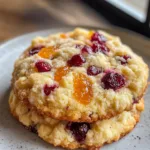
Description
These orange cranberry cookies bring together two classic flavors that naturally complement each other. Orange adds a fragrant, sweet citrus note, while cranberries provide a pleasantly tangy contrast. Butter gives the cookies their rich flavor, brown sugar helps create a chewy texture, and vanilla rounds out the taste with a warm, comforting aroma.
Ingredients
This recipe makes approximately 24 cookies, depending on the size of each portion.
Dry Ingredients
-
2 cups all-purpose flour, spooned into the measuring cup and leveled
-
1/2 teaspoon baking soda
-
1/2 teaspoon salt
-
1 tablespoon cornstarch, optional, for a softer texture
Wet Ingredients
-
3/4 cup unsalted butter, softened to room temperature
-
3/4 cup packed light brown sugar
-
1/4 cup granulated sugar
-
1 large egg, at room temperature
-
1 tablespoon fresh orange zest, finely grated
-
2 tablespoons fresh orange juice
-
1 teaspoon pure vanilla extract
Cranberry Additions
-
1 cup dried cranberries
-
1/2 cup white chocolate chips, optional
-
1 teaspoon additional orange zest, optional, for extra citrus flavor
Optional Orange Glaze
-
1/2 cup powdered sugar
-
1–2 tablespoons fresh orange juice
-
1/4 teaspoon orange zest, optional
Instructions
Preheat your oven to 350°F (175°C). Line two baking sheets with parchment paper or silicone baking mats. This helps prevent sticking and encourages the cookies to bake evenly.
Arrange the oven rack in the center position. If you are using dark baking sheets, keep a close eye on the cookies because dark pans can brown the bottoms more quickly.
Measure all your ingredients before starting. Make sure the butter and egg are at room temperature so they combine smoothly with the sugars.
In a medium mixing bowl, whisk together the all-purpose flour, baking soda, salt, and optional cornstarch.
Whisking helps distribute the baking soda and salt throughout the flour, preventing uneven seasoning or inconsistent rising. The cornstarch is optional, but it can help produce a more tender, soft cookie.
Set the dry mixture aside while you prepare the butter and sugar.
Place the brown sugar and granulated sugar in a large mixing bowl. Add the fresh orange zest.
Rub the orange zest into the sugars with your fingertips for about 30 seconds. This simple technique releases the fragrant orange oils and spreads the citrus flavor throughout the cookie dough.
You should notice a fresh, sweet orange aroma as the zest mixes with the sugar. This step gives the cookies a more noticeable orange flavor without requiring a large amount of juice.
Add the softened unsalted butter to the orange-sugar mixture. Using a hand mixer or stand mixer fitted with a paddle attachment, beat on medium speed for approximately 2–3 minutes.
Continue mixing until the butter and sugars look creamy, smooth, and slightly fluffy. Scrape down the sides of the bowl as needed.
Avoid using melted butter for this recipe because it can cause the cookies to spread too much and lose their soft, chewy texture.
Add the egg and vanilla extract to the creamed butter mixture. Beat until everything is well combined, about 30–60 seconds.
Scrape the bowl again to make sure no butter or sugar remains stuck to the bottom. The mixture should look smooth and creamy.
If it appears slightly separated, do not worry. Adding the dry ingredients gradually will help bring the dough together.
Pour in the fresh orange juice and mix briefly until incorporated.
The juice adds a subtle citrus taste and complements the aromatic orange zest. Because orange juice contains liquid, measure it carefully. Adding too much may make the dough loose and encourage excessive spreading.
For the brightest orange flavor, use freshly squeezed juice and freshly grated zest from the same orange.
Add the flour mixture to the wet ingredients in two or three additions. Mix on low speed just until the flour disappears.
You can also use a sturdy spatula to fold the ingredients together by hand. Stop mixing as soon as a soft cookie dough forms.
Do not overmix the dough. Excessive mixing can develop too much gluten, making the cookies tougher rather than tender and chewy.
Add the dried cranberries to the dough and gently fold them in with a spatula.
Make sure the cranberries are distributed throughout the mixture so every cookie contains plenty of sweet-tart fruit. If you are adding white chocolate chips, fold them in at the same time.
For a more attractive bakery-style appearance, reserve a small handful of cranberries and white chocolate chips to press onto the tops of the dough balls before baking.
Cover the bowl and refrigerate the dough for 30 minutes.
Chilling helps the butter firm up, making the dough easier to portion and helping control how much the cookies spread in the oven. It also gives the orange zest time to infuse the dough with its citrus aroma.
If your kitchen is particularly warm or the dough feels very soft, chill it for up to 45–60 minutes. If the dough becomes very firm, let it sit at room temperature for a few minutes before scooping.
Use a medium cookie scoop or tablespoon to portion the dough into balls of approximately 1 1/2 tablespoons each.
Place the dough balls on the prepared baking sheets, leaving about 2 inches between each one. The cookies need enough space to spread while baking.
Gently press a few reserved cranberries or white chocolate chips onto the tops if desired. Keep the dough balls relatively tall rather than flattening them completely, which can help preserve a thicker center.
Bake for 10–12 minutes, depending on the size of the cookies and your oven.
The edges should look set and lightly golden, while the centers may still appear slightly soft. This is the key to chewy orange cranberry cookies.
Do not wait for the centers to become completely firm or deeply browned in the oven. The cookies will continue cooking from the residual heat of the baking sheet after they are removed.
If your oven has hot spots, rotate the baking sheet halfway through baking for more even browning.
Remove the cookies from the oven and let them rest on the baking sheet for 5–10 minutes.
They may look delicate when they first come out, but they will become more stable as they cool. Moving them too soon can cause the soft centers to break.
After the resting period, transfer the cookies to a wire rack and allow them to cool completely or until just warm.
For an extra citrus finish, combine the powdered sugar with 1 tablespoon of fresh orange juice in a small bowl.
Whisk until smooth. Add a little more orange juice, a few drops at a time, until the glaze reaches a consistency that can be drizzled over the cookies without running off too quickly.
Stir in the optional orange zest for a stronger citrus aroma. If the glaze becomes too thin, add more powdered sugar.
Once the cookies have cooled, drizzle the orange glaze over the tops using a spoon or a small piping bag.
Allow the glaze to set for approximately 15–20 minutes before stacking or storing the cookies.
You can also leave the cookies plain to highlight their buttery texture and orange-cranberry flavor. For a festive presentation, arrange them on a white serving platter and add a little fresh orange zest just before serving.
Serve these homemade Chewy Orange Cranberry Cookies with coffee, tea, hot chocolate, or cold milk.
Notes
The most important secret to making excellent Chewy Orange Cranberry Cookies is to control the moisture, chill the dough, and avoid overbaking.
Use properly measured flour. Too much flour can produce dry, dense cookies. Spoon the flour into your measuring cup and level it off rather than packing it down. For the most consistent results, use a kitchen scale if one is available.
Choose room-temperature butter, not melted butter. Softened butter creams properly with the sugars and creates a balanced cookie texture. If the butter is greasy or nearly melted, chill it briefly before mixing.
Do not skip the orange zest. Orange juice contributes some citrus flavor, but the zest contains aromatic oils that provide a much more noticeable orange fragrance. Fresh zest is especially important in a recipe where orange is one of the main flavors.
Chill the dough before baking. Chilling helps reduce excessive spreading and can improve the flavor. If the first batch spreads too much, chill the remaining dough longer and check that your flour measurements are accurate.
Remove the cookies while the centers are still soft. The cookies should have set edges and slightly underdone-looking centers when they leave the oven. Carryover heat will continue cooking them as they rest on the baking sheet.
Adjust for your dried cranberries. If your cranberries are particularly dry or tough, you can soak them briefly in warm water or orange juice, then drain and pat them very dry before folding them into the dough. Excess moisture can affect the texture, so avoid adding wet cranberries directly.
Remember that ovens vary. Start checking the cookies at 9–10 minutes, especially if your oven runs hot or your dough balls are small. A slightly shorter baking time generally produces a chewier center.
- Prep Time: 20 minutes
- Cook Time: 45 minutes
Nutrition
- Calories: 145–165 kcal
- Sugar: 11–14 g
- Sodium: 75–100 mg
- Fat: 7–8 g
- Saturated Fat: 4–5 g
- Carbohydrates: 20–23 g
- Fiber: 0.5–1 g
- Protein: 1.5–2 g